Machining
A subtractive manufacturing process using controlled material removal by cutting.

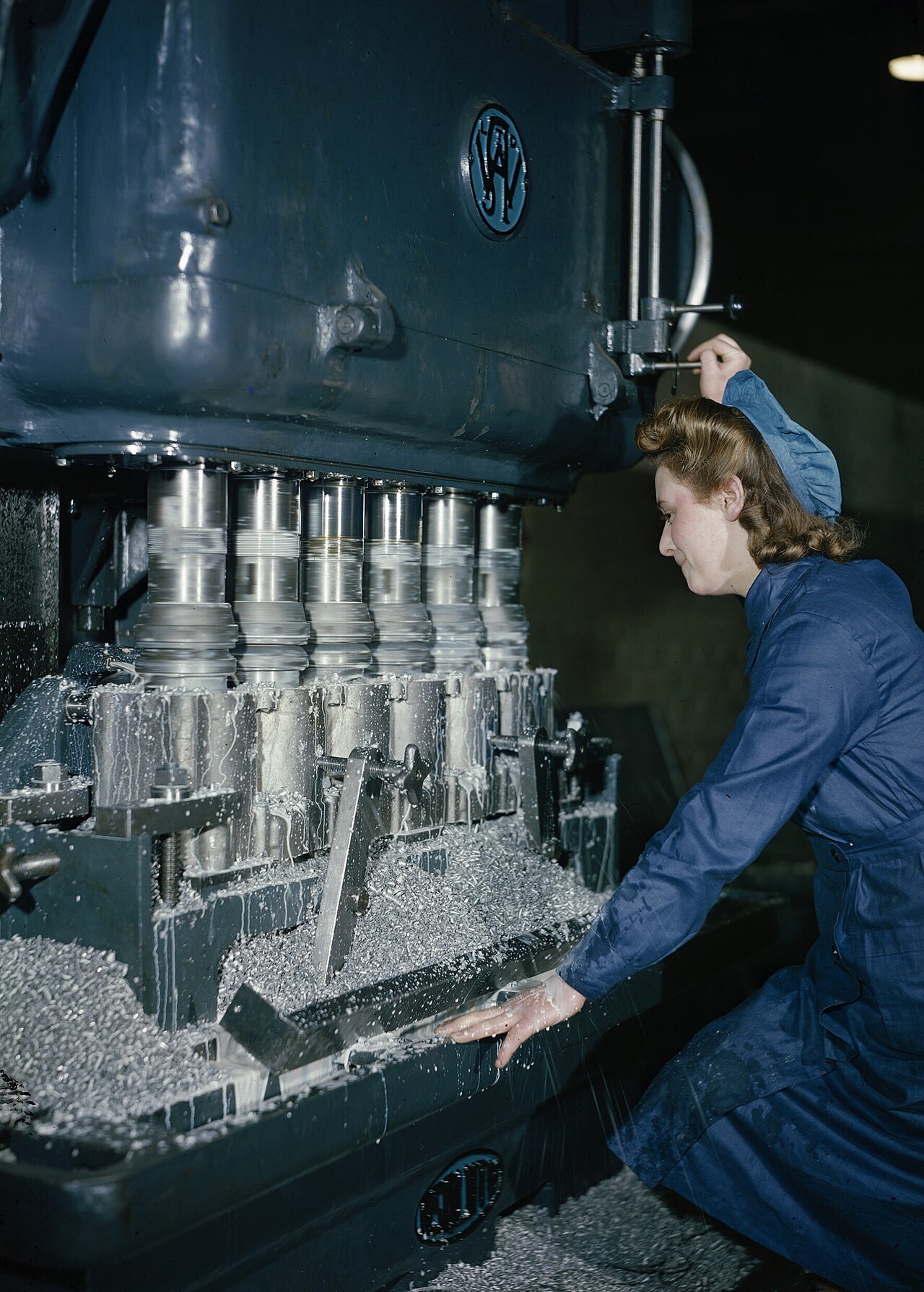
Ministry of Information official photographer · Public domain
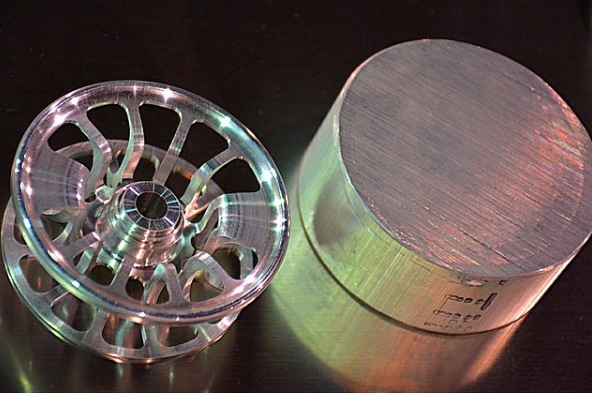
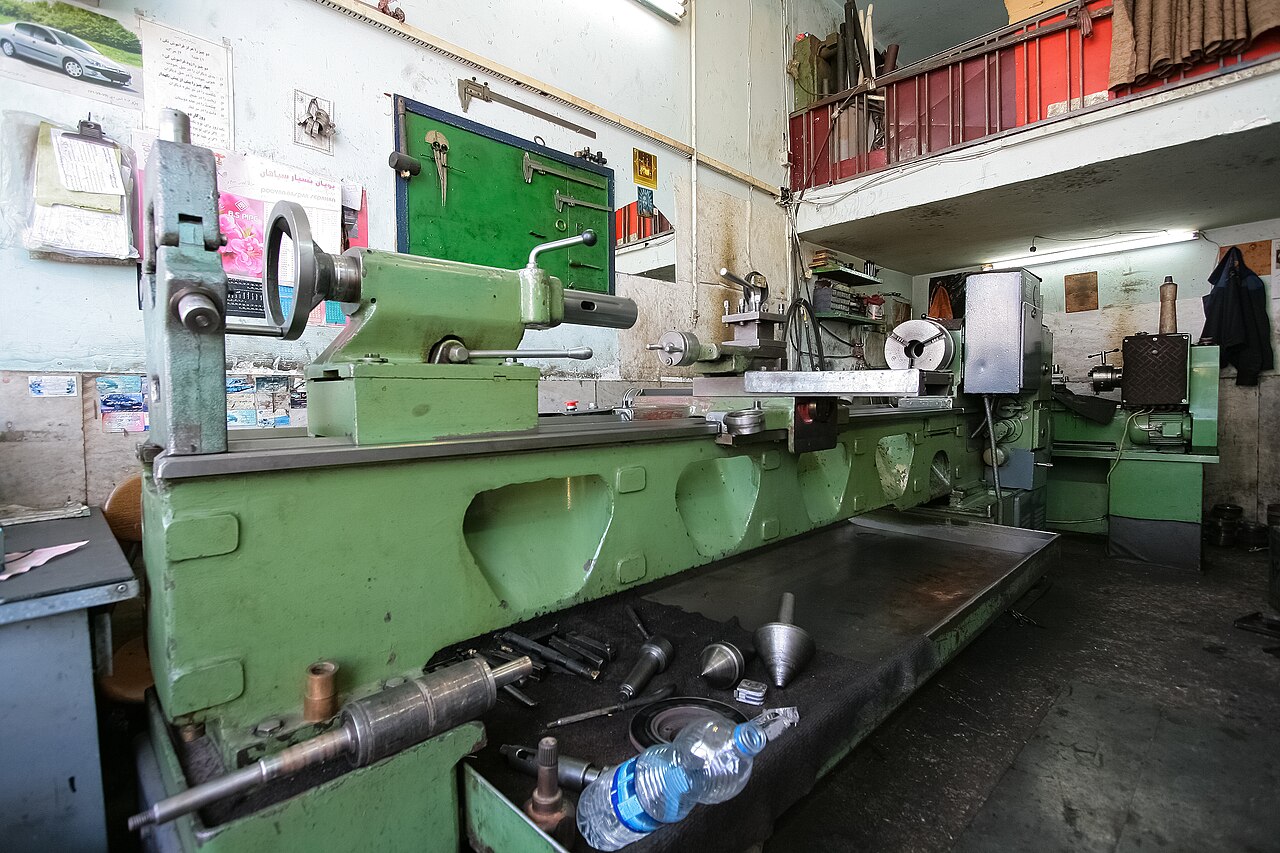
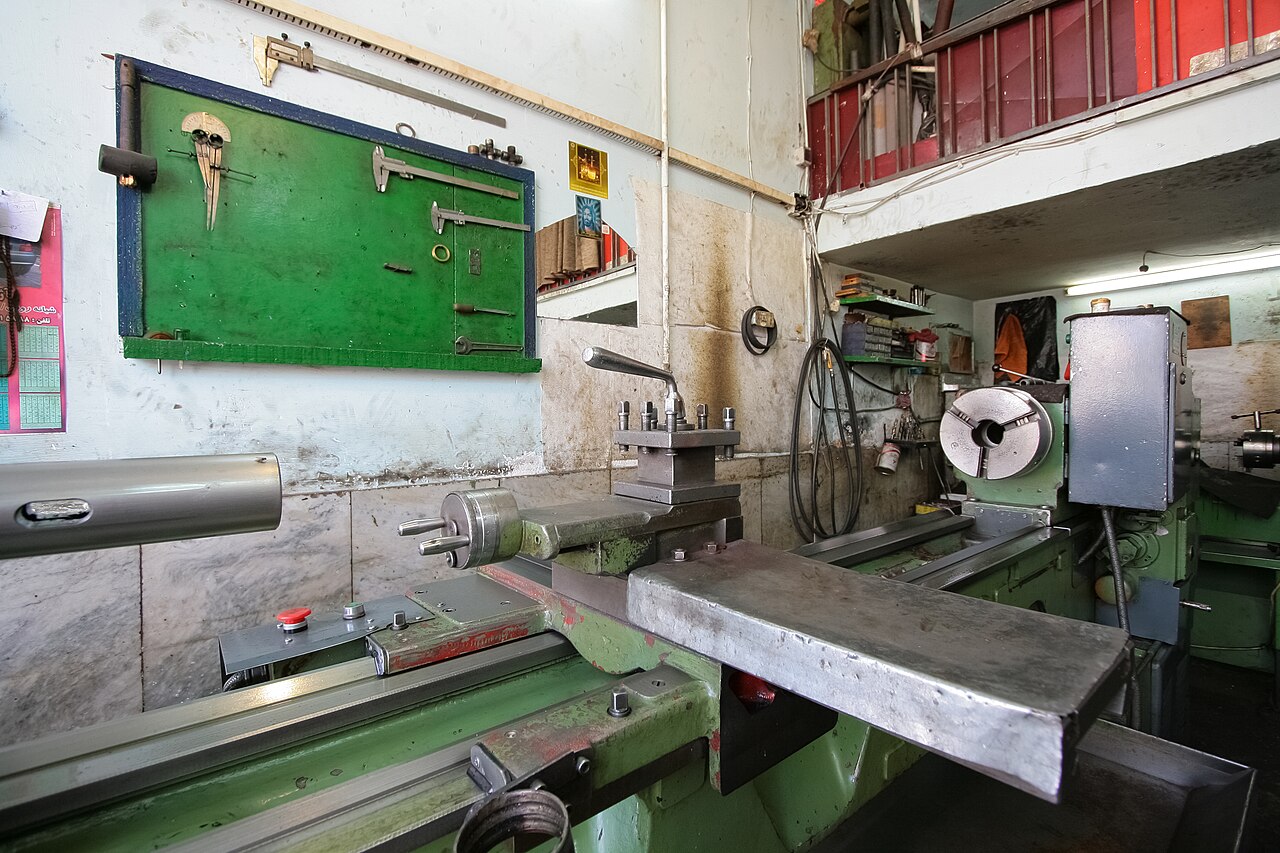
Machining is a manufacturing process in which a desired shape or part is created by the controlled removal of material, most often metal, from a larger piece of raw material through cutting. It is a form of subtractive manufacturing, utilizing machine tools, in contrast to additive manufacturing such as 3D printing. Machining is a major process in the manufacture of many metal products, but it can also be used on other materials like wood, plastic, ceramic, and composites. A person who specializes in machining is called a machinist, and commercial machining is generally performed in a machine shop.
- field
- Manufacturing process
- known_for
- Subtractive manufacturing using machine tools to remove material
- related_terms
- Conventional machining, subtractive manufacturing, CNC machining
- primary_materials
- Metal, wood, plastic, ceramic, composites
- key_tools
- Lathes, milling machines, drill presses, cutting tools
Lore & Background
Since the post–World War II era, new technologies such as electrical discharge machining, electrochemical machining, electron beam machining, photochemical machining, and ultrasonic machining emerged, leading to the retronym 'conventional machining' to differentiate classic technologies from newer ones. In the 2000s and 2010s, as additive manufacturing became standard, the term 'subtractive manufacturing' became common in logical contrast, covering a broader range of material removal processes than those traditionally classified as machining. While machining is a subset of subtractive manufacturing, the two terms are not synonymous, and the long-established usage of 'machining' continues.
Reader's Guide
Machining is fundamental to modern manufacturing, enabling the precise shaping of metal and other materials into components for countless industries. Its significance lies in its ability to produce parts with tight tolerances and specific geometries through controlled material removal. The evolution from manual machining to computer numerical control (CNC) has dramatically increased precision, repeatability, and automation, allowing complex operations like combined lathe and milling on advanced CNC machines. Machining operations are categorized into traditional (circular and various shape) and non-traditional processes, each using different methods of material removal. The cutting tool, with its rake face and flank, is critical for chip formation and surface finish. Understanding chip morphology—continuous, segmented, or discontinuous—helps optimize cutting parameters and tool geometry. Machining remains a cornerstone of production, from simple drilling to intricate broaching, and its legacy continues as subtractive manufacturing coexists with additive methods.
Did You Know?
- Machining is a form of subtractive manufacturing, in contrast to additive manufacturing like 3D printing.
- The term 'machine tool' dates to the early 19th century, and the verb 'to machine' to the late 19th century.
- Non-traditional machining processes include electrical discharge machining, electrochemical machining, and ultrasonic machining.
- Chip formation during machining results from severe plastic deformation in the primary shear zone ahead of the cutting tool.
The Essence of Subtractive Craft
Machining stands as a foundational pillar of manufacturing, defined by the deliberate and controlled removal of material—most commonly metal—from a larger raw stock to produce a part of desired geometry. It belongs to the family of subtractive manufacturing, a category that contrasts sharply with additive approaches like 3D printing, where material is built up layer by layer rather than carved away. While metal dominates the field, machinists also work with wood, plastic, ceramic, and composite materials. The practitioner is known as a machinist, and the commercial home of this work is the machine shop: one or more workrooms housing primary machine tools. These shops may operate as standalone businesses or exist as internal tool rooms embedded within larger companies to serve their specialized production needs. At its heart, machining is the art and science of making something precise by taking away what is not needed.
A Term That Grew With the Machines
The word "machining" did not always carry its modern meaning. In the eighteenth century, a machinist was simply a person who built or repaired machines, working primarily by hand—carving wood, forging and filing metal with hand tools. Figures like James Watt and John Wilkinson, who designed new kinds of engines, would have fit that broad definition. The specific nouns "machine tool" and the verb "to machine" did not yet exist in the language. It was not until around the middle of the twentieth century that these terms were coined, reflecting processes that had become widespread: turning, boring, drilling, milling, broaching, sawing, shaping, planing, abrasive cutting, reaming, and tapping. After World War II, the arrival of electrical discharge machining, electrochemical machining, electron beam machining, photochemical machining, and ultrasonic machining introduced a new generation of techniques, prompting the use of the retronym "conventional machining" to distinguish the classic methods from their newer counterparts.
The Geometry of the Cut
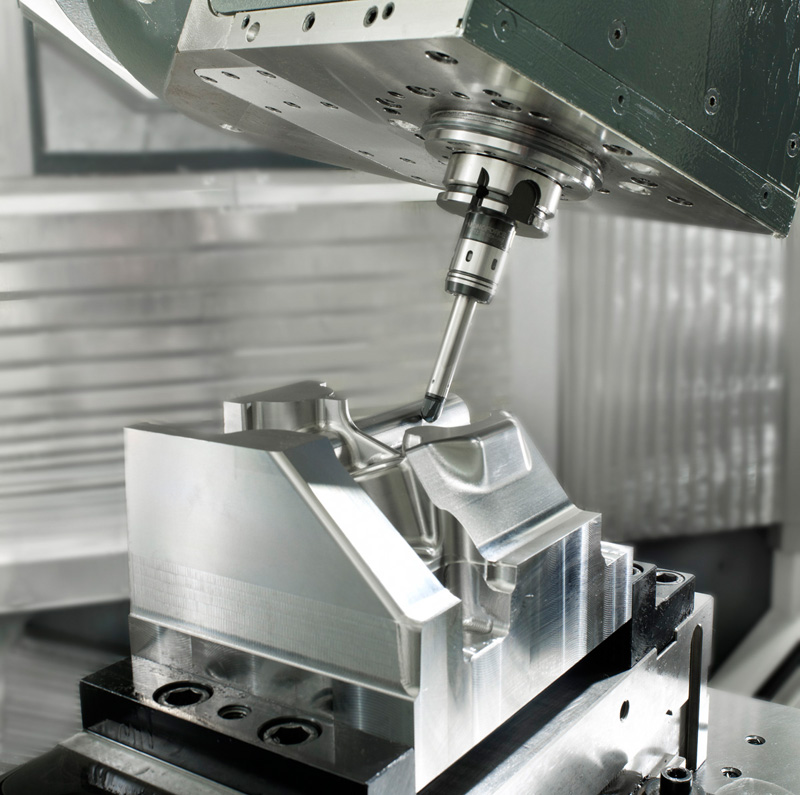
Every machining operation hinges on the interaction between a cutting tool and the workpiece, often called simply "the work." The tool must be made of a harder material than the work and carries one or more sharp cutting edges designed to separate a chip from the parent material. Two critical surfaces define the tool's geometry: the rake face, which channels the newly formed chip away at an angle called the rake angle, and the flank, which provides clearance between the tool and the freshly machined surface to prevent abrasive damage. The angle between the work and the flank is known as the relief angle. Tools fall into two broad families. Single-point tools, used for turning, boring, and planing, carry one cutting edge and penetrate below the original work surface, often with a small rounded nose radius. Multiple-cutting-edge tools, employed in drilling and milling, typically rotate relative to the workpiece. Despite their different shapes, both families share many geometric principles.
From Hand Files to Computer-Controlled Mills
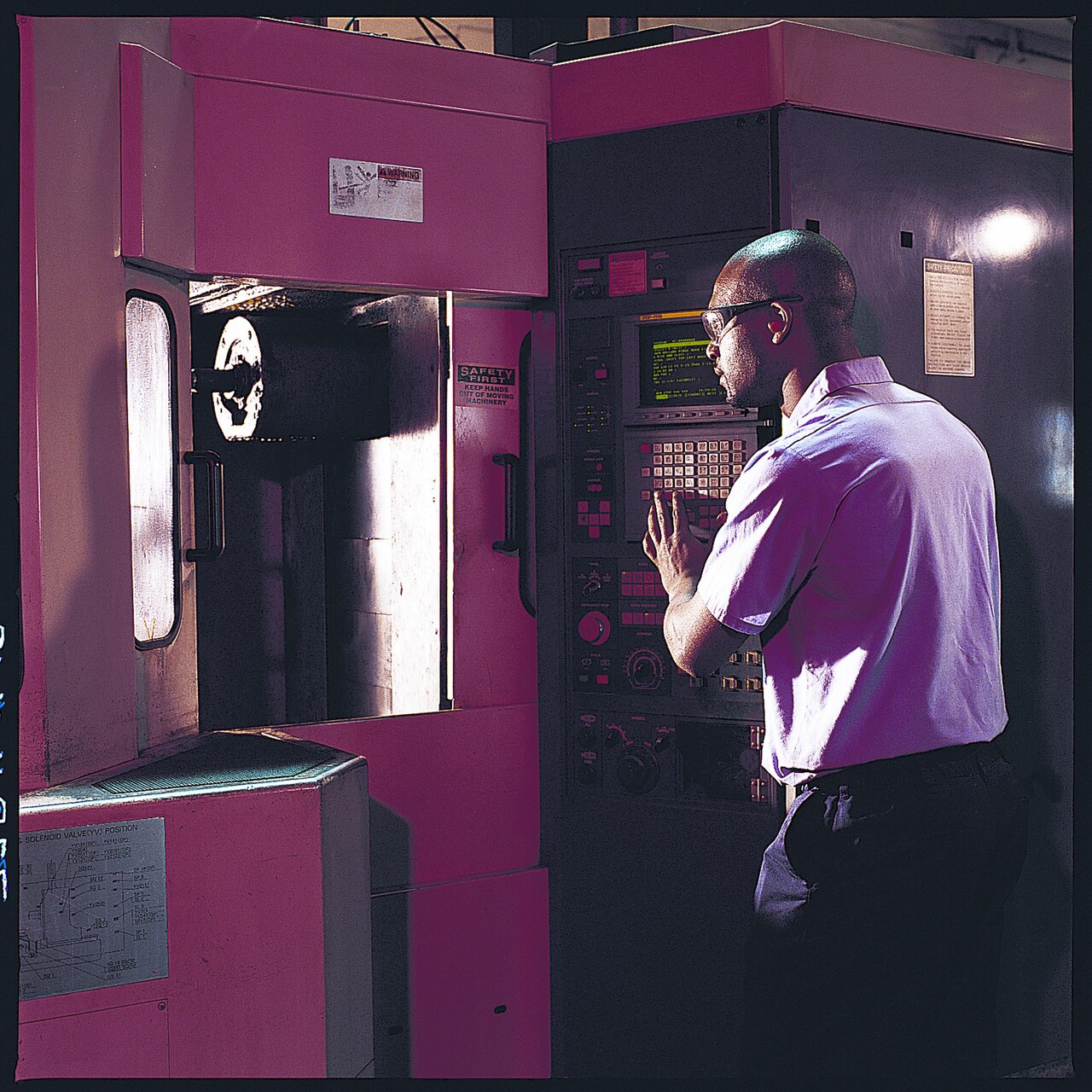
The landscape of machining has shifted dramatically from hand-driven processes to computer-guided precision. In traditional operations, relative motion between tool and workpiece—achieved through lateral rotary or lateral movement of either the tool or the work—produces the desired surface shape. These operations split into two shape-based categories: circular processes such as turning, boring, drilling, reaming, and threading, and straight or varied-shape processes including milling, broaching, sawing, grinding, and shaping. Non-traditional methods, like electrical discharge machining, bypass mechanical cutting entirely, using electric current to remove material. In the decades of the 2000s and 2010s, additive manufacturing moved beyond laboratory prototyping into standard production, and the term "subtractive manufacturing" emerged as a logical counterpart, essentially encompassing all the removal processes previously grouped under "machining." Today, much of modern machining is governed by computer numerical control, where computers direct the movement and operation of mills, lathes, and other cutting machines with extraordinary precision.
Gallery
More in Manufacturing And Materials 1-24
Elsewhere in the Manufacturing And Materials universe
Spotted an error? Know more?
This is a living reference — every entry is fact-audited, and reader corrections feed straight into our audit queue. Suggest an edit · See this site's audit record