Mineral processing
Separating valuable minerals from ore through beneficiation processes.

Marathon · CC BY-SA 2.0
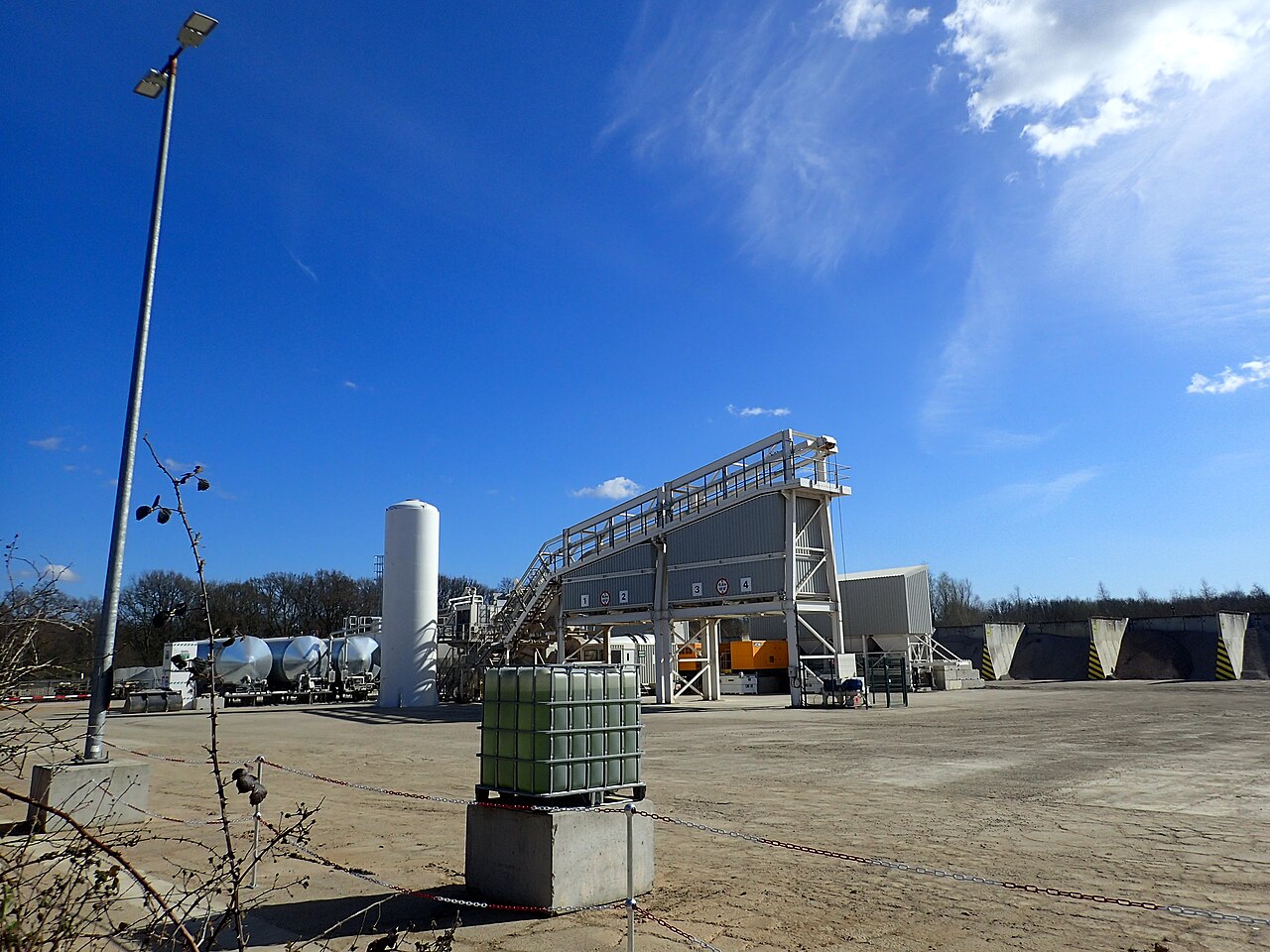
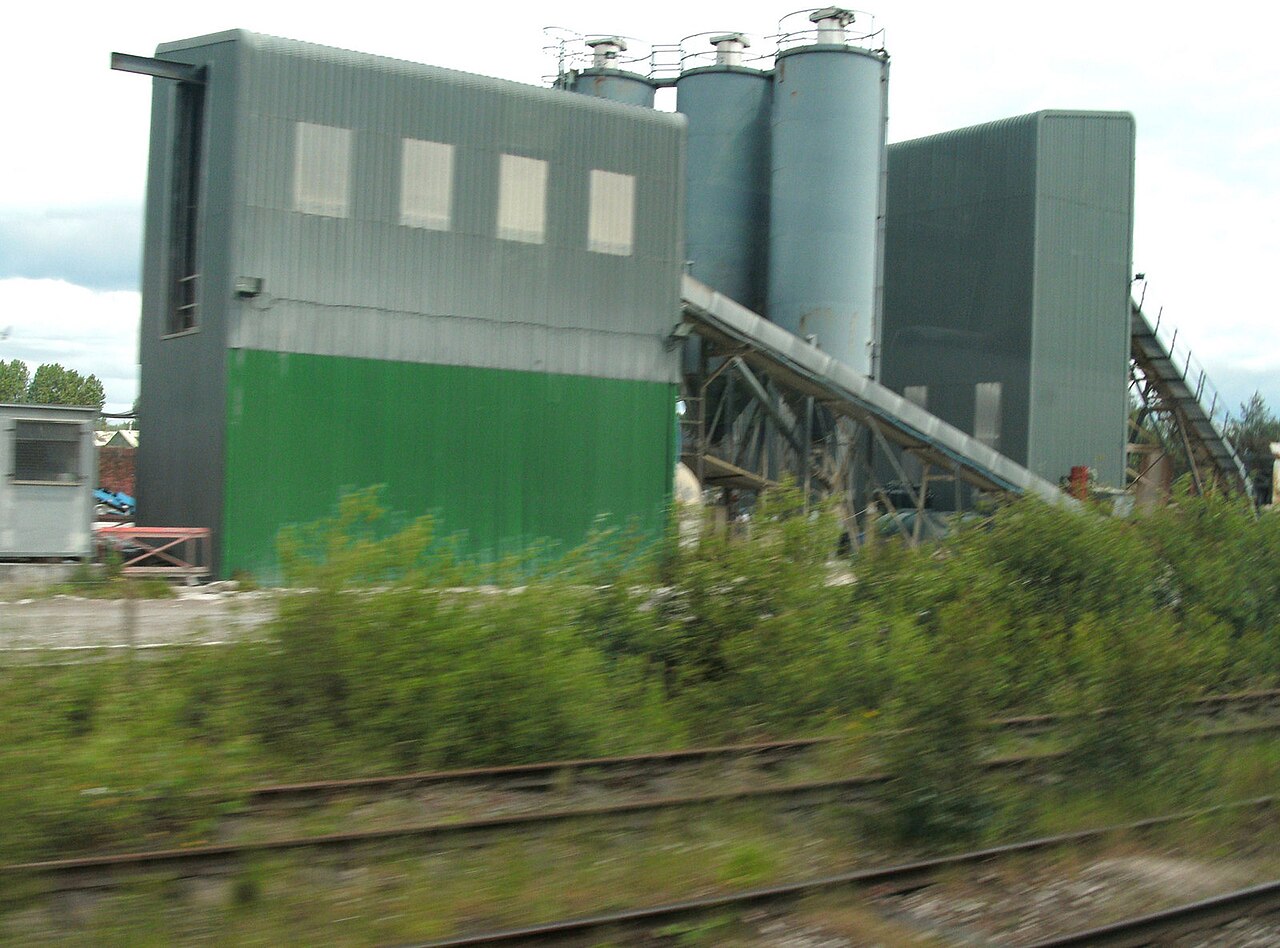
Mineral processing is the process of separating commercially valuable minerals from their ores in the field of extractive metallurgy. Depending on the processes used, it is often referred to as ore dressing or ore milling. Beneficiation improves the economic value of ore by removing gangue minerals, producing a higher grade product (ore concentrate) and a waste stream (tailings).
- field
- Extractive metallurgy
- known_for
- Separating valuable minerals from ores via beneficiation processes
- key_concept
- Recovery: mass fraction of valuable mineral extracted to concentrate
- early_method
- Spalling (hand-hammering ore)
Lore & Background
Before heavy machinery, raw ore was broken up by hand in a process called spalling. The Cornish stamps used iron hammers raised by waterwheel-driven cams. Iron beneficiation dates to at least 800 BC in China with the bloomery, which was later replaced by the blast furnace in Europe around the early 1200s.
Reader's Guide
Mineral processing is fundamental to extractive metallurgy, enabling the economic recovery of valuable minerals from ores. Its history spans from ancient hand-spalling and stamp mills to modern crushing, grinding, and chemical separation. Key unit operations include comminution (size reduction), sizing (particle separation), concentration (using physical or chemical properties), and dewatering. Processes like dense media separation, froth flotation, and leaching allow efficient extraction. The concept of recovery—the fraction of valuable mineral carried to concentrate—is central. Environmental impacts, such as sulfur dioxide from roasting (e.g., at Sudbury, Ontario), highlight the need for improved methods. Mineral processing remains essential for producing metals and minerals used in modern industry.
Did You Know?
- Iron beneficiation using a bloomery dates to at least 800 BC in China.
- Roasting of sulfide ores produced sulfur dioxide clouds that harmed ecosystems, as seen in Sudbury, Ontario.
Mission, Scope, and Global Community
The Minerals, Metals & Materials Society stands as a professional body dedicated to the full spectrum of materials science and engineering, spanning from the earliest stages of mineral extraction and primary metals production all the way through to cutting-edge applications of advanced materials. Based in Pittsburgh, the United States, the organization nonetheless operates on a truly global scale, drawing roughly thirteen thousand professional and student members from over seventy countries across six continents. Its membership roster includes metallurgical engineers, materials scientists, researchers, educators, and administrators who collectively shape the direction of the field. Beyond simply gathering specialists, the society actively fosters the exchange of technical knowledge, pushes technology transfer across borders, and invests in the education and professional development of both seasoned practitioners and emerging students. It also plays a role in accrediting educational programs and supporting the registration of professional engineers, a function rooted in the U.S. context. Ethical conduct, environmental stewardship, and a sense of worldwide professional unity are woven into the organization's core identity, all sustained by a volunteer-driven governance model in which members participate at every level of policy, programming, and publication decisions.
Five Technical Divisions
The society organizes its technical work through five distinct divisions, each responsible for programming conferences, developing content for publications, and carrying out specialized activities within its domain. The Extraction & Processing Division focuses on the front end of the materials pipeline, dealing with how raw minerals are recovered and refined. The Functional Materials Division addresses materials engineered for specific performance characteristics. The Light Metals Division concentrates on aluminum, magnesium, and related non-ferrous alloys. The Materials Processing & Manufacturing Division covers the transformation of raw materials into usable products, while the Structural Materials Division deals with the metals and alloys that form the backbone of infrastructure, transportation, and construction. Together, these divisions ensure that the society's conferences, journal content, and professional development programs reflect the breadth of the field rather than narrowing it to a single sub-discipline. This divisional structure also allows members to engage deeply with their specific area of expertise while still benefiting from cross-disciplinary exposure at society-wide events. The divisions serve as the operational engine behind the society's programming, translating broad organizational goals into focused, technically rigorous activities that practitioners can apply directly in their work.
Journals and Technical Publications
As a major publisher within the materials community, the society produces seven internationally respected technical journals that collectively cover the full breadth of minerals, metals, and materials science. JOM, published monthly, explores the complete range of the discipline. The Journal of Electronic Materials delivers peer-reviewed articles each month focused specifically on advances in electronics materials. Metallurgical and Materials Transactions operates as two archival journals: Volume A, appearing monthly, addresses physical metallurgy and materials science, while Volume B, published bi-monthly, covers process metallurgy and materials processing science. The Journal of Sustainable Metallurgy, a quarterly publication, examines metallurgical processes and innovations aimed at making metal-producing industries more environmentally responsible. Integrating Materials and Manufacturing Innovation explores how computational approaches support Integrated Computational Materials Engineering. Beyond these journals, the society releases numerous proceedings volumes each year containing papers presented at its sponsored meetings, ensuring that the latest research findings reach the broader professional community through both peer-reviewed and conference-based channels.
Roadmapping Studies and Practical Guidance
In addition to its journals, the society has developed a series of influential technology and roadmapping studies that convene leading experts to produce practical guidance for the minerals, metals, and materials communities. These publications are made freely accessible to the public, broadening their impact well beyond the membership base. Topics span a wide range of strategic challenges: one study maps the highest-impact research areas for stationary electrical energy storage, while a three-part investigation explores how new materials and processing breakthroughs can reduce carbon emissions and improve energy security. Another compiles the expertise of nearly fifty technical leaders to offer a practical three-year plan for implementing Integrated Computational Materials Engineering in aerospace, automotive, and maritime industries. Additional studies address diversity and inclusion in the profession, modeling across length and time scales, building a materials data infrastructure, next-generation manufacturing technologies, verification and validation of computational models, and a disruptive concept called metamorphic manufacturing that blends traditional metalsmithing with intelligent robotic systems. Together, these reports serve as actionable blueprints for advancing the field.
Gallery

More in Manufacturing And Materials 1-24
Elsewhere in the Manufacturing And Materials universe
Spotted an error? Know more?
This is a living reference — every entry is fact-audited, and reader corrections feed straight into our audit queue. Suggest an edit · See this site's audit record