Manufacturing engineering
Branch of engineering focused on efficient production of quality goods.

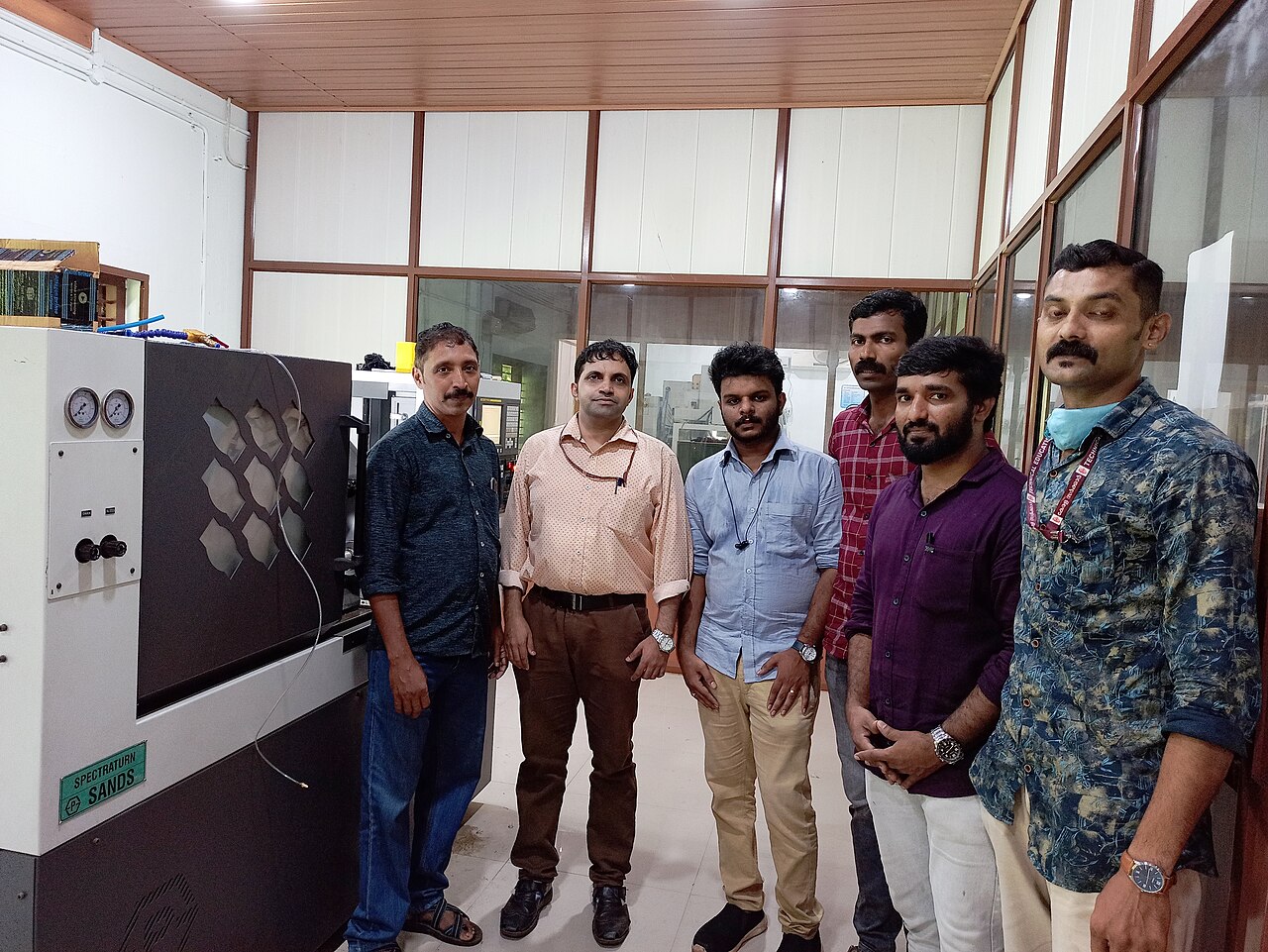
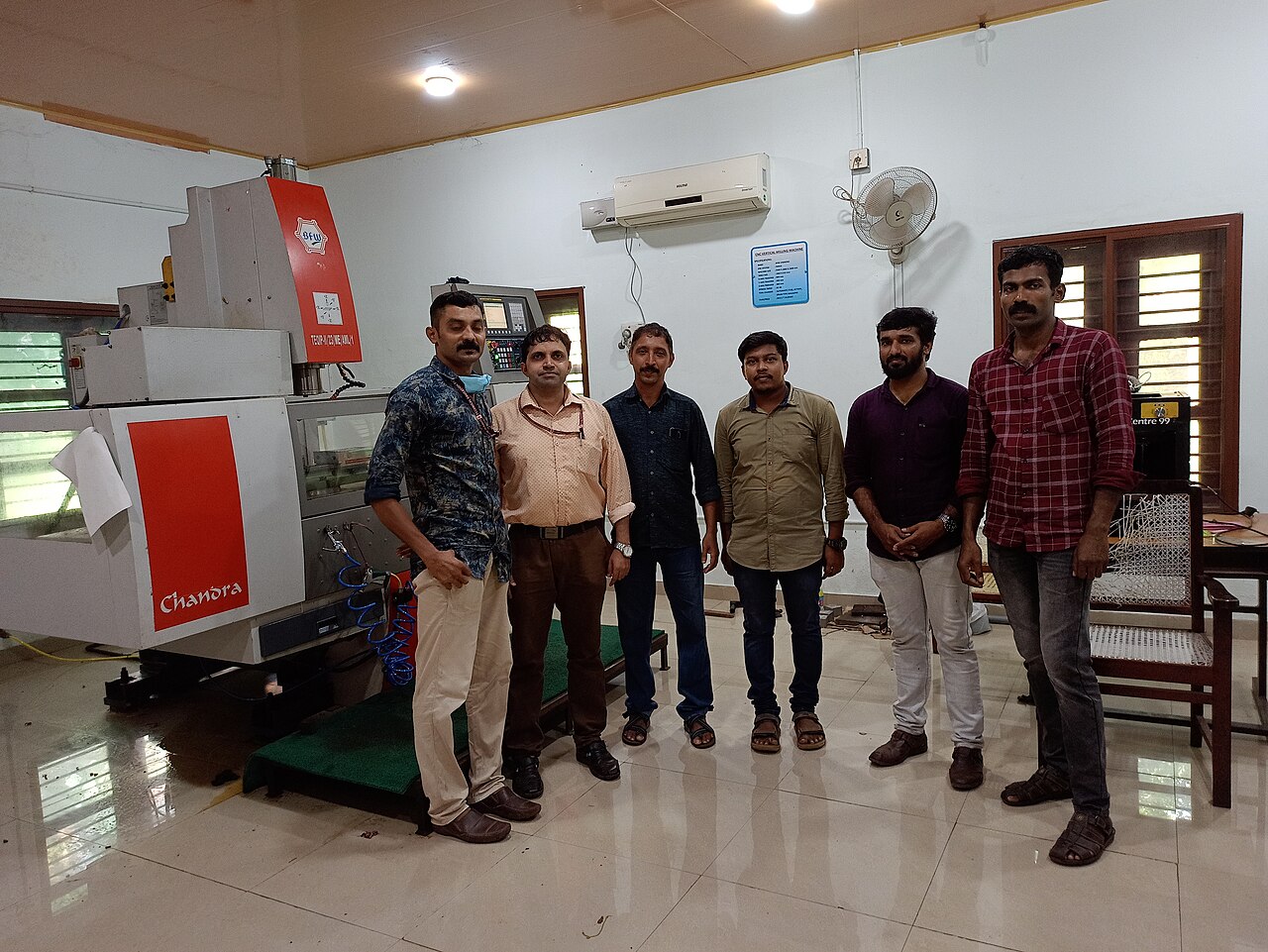
Machining.sirg.gcekannur · CC BY-SA 4.0
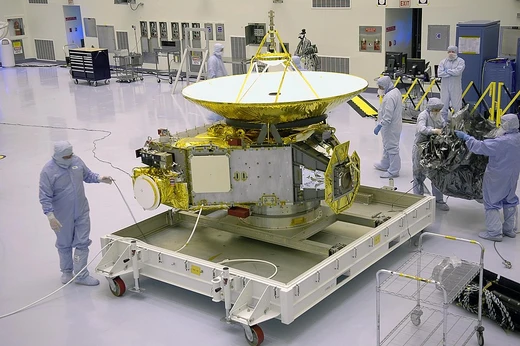
Manufacturing engineering, also known as production engineering, is a branch of professional engineering that shares common concepts with mechanical, chemical, electrical, and industrial engineering. It requires the ability to plan manufacturing practices, research and develop tools, processes, machines, and equipment, and integrate facilities and systems for producing quality products with optimum expenditure of capital. The primary focus of a manufacturing engineer is to turn raw material into an updated or new product in the most effective, efficient, and economic way possible.
- field
- Manufacturing engineering / Production engineering
- known_for
- Turning raw materials into products effectively, efficiently, and economically; integrating facilities and systems for quality production; advancing technology and innovation
Lore & Background
Manufacturing engineering emerged from the tool-and-die discipline in the early 20th century. It expanded greatly from the 1960s when industrialized countries introduced numerical control machine tools, automated production systems, advanced statistical methods of quality control developed by Walter A. These computer-controlled arms could perform tasks such as die casting quickly and flawlessly 24 hours a day, cutting costs and improving production speed; spot welding applications for industrial robots began later in the late 1960s at a Ford plant. The history of manufacturing engineering can be traced to factories in the mid-19th century USA and 18th century UK. Henry Ford revolutionized the factory concept in the early 20th century with mass production, using highly specialized workers alongside a moving assembly line to build products, dramatically decreasing production costs and bringing about the age of consumerism.
Reader's Guide
Manufacturing engineering is significant because it directly impacts the advancement of technology and the spread of innovation. It is based on core industrial and mechanical engineering skills, adding elements from mechatronics, commerce, economics, and business management. The field deals with integrating different facilities and systems for producing quality products by applying physics principles and manufacturing systems studies. Manufacturing engineers develop and create physical artifacts, production processes, and technology, and their success or failure directly influences technological progress. Modern manufacturing engineering includes all intermediate processes required for production and integration of a product's components. Automation is used in processes such as machining and welding, offering advantages like higher consistency and quality, reduction of lead times, simplification of production, reduced handling, improved workflow, and improved worker morale. Robotics, the application of mechatronics and automation to create robots, is used extensively in manufacturing to perform dangerous, unpleasant, or repetitive tasks. Robots allow businesses to save money on labor, perform tasks too dangerous or precise for humans, and ensure better quality. Many companies employ assembly lines of robots, and some factories are so robotized they can run by themselves. The legacy of manufacturing engineering includes the transformation of production from artisan shops to mechanized factories, the introduction of mass production by Henry Ford, and the later adoption of statistical quality control methods that turned Japanese factories into world leaders in cost-effectiveness and production quality. The field continues to evolve with automation and robotics, shaping modern industry.
Did You Know?
- Manufacturing engineering emerged from the tool-and-die discipline in the early 20th century and expanded greatly from the 1960s.
- American statistician and quality control expert William Edwards Deming promoted advanced statistical methods of quality control originally developed by Walter A. Shewhart, helping turn Japanese factories into world lead
From Shipyards to Assembly Lines: The Long Arc of Factory Evolution
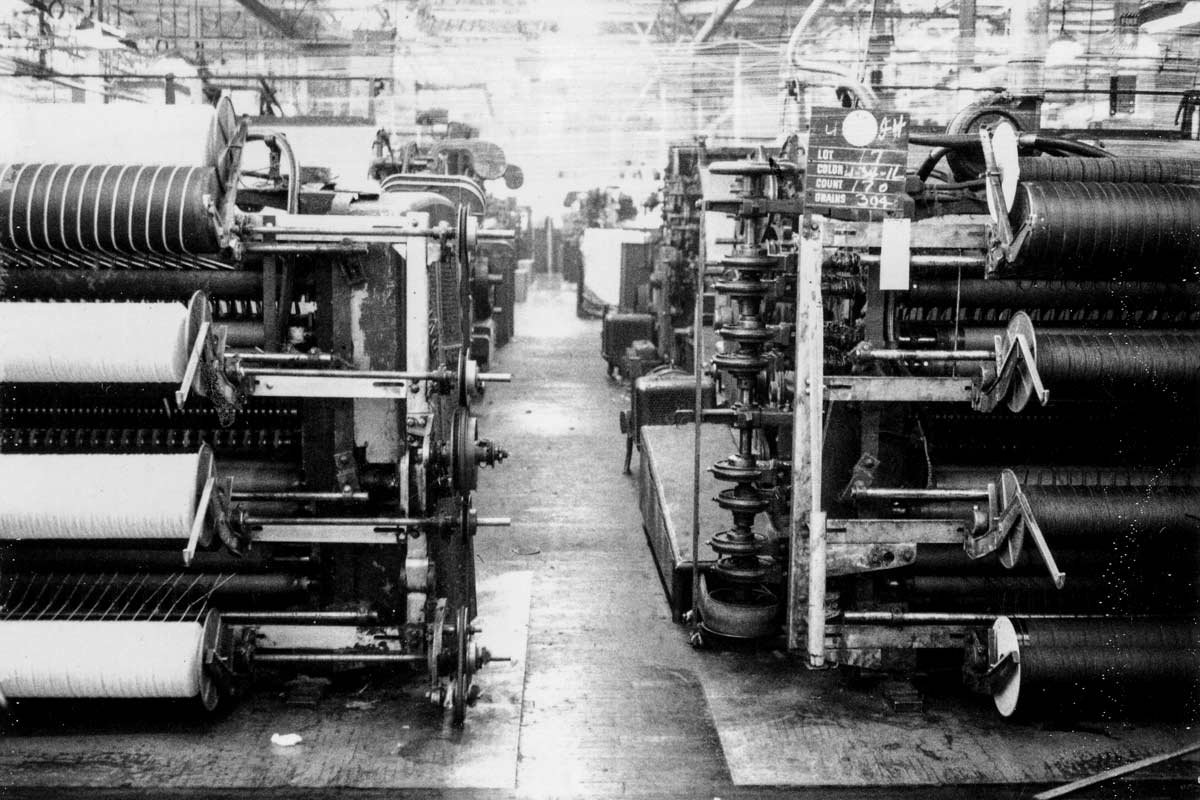
Manufacturing engineering did not spring fully formed from a single moment. The Cromford Mill was notable for being purpose-built around its machinery rather than the reverse. Henry Ford then reshaped everything again in the early twentieth century by introducing mass production with highly specialized workers positioned along rolling ramps, slashing costs and igniting the consumer age that still defines global manufacturing today.
A Discipline Built at the Crossroads of Engineering
Manufacturing engineering occupies a unique position because it is not a single-specialty field but a synthesis. It draws its foundational skills from industrial and mechanical engineering, then layers in mechatronics, commerce, economics, and business management to form a broader practice. In the academic taxonomy, it is often classified as a subdiscipline of both industrial engineering and systems engineering, with very strong overlap into mechanical engineering. The day-to-day work centers on converting raw material into a finished or updated product in the most effective, efficient, and economical manner imaginable. That means planning manufacturing practices, researching and developing tools, processes, machines, and equipment, and integrating the entire facility and system architecture so that quality output is achieved with the least possible capital outlay. The field traces its formal emergence to the tool-and-die trade in the early twentieth century, and the success or failure of its practitioners directly shapes how quickly new technologies reach the market and how broadly innovation spreads across industries.
Deming, the 1960s Leap, and the Quality Revolution
A pivotal expansion of manufacturing engineering arrived in the 1960s, when industrialized nations began outfitting factories with numerical-control machine tools and automated production systems. Alongside this hardware shift came a softer but equally transformative innovation: advanced statistical methods of quality control. These methods were pioneered by American electrical engineer William Edwards Deming, a figure who was initially overlooked by his own country. Decades later, Japanese manufacturers adopted Deming's statistical frameworks and transformed their factories into global leaders in both cost-effectiveness and production quality. The late 1970s added another layer with the introduction of industrial robots onto the factory floor. Computer-controlled welding arms and grippers could perform repetitive tasks—such as attaching a car door—quickly, flawlessly, and around the clock. The combined effect of statistical quality control and robotic automation was a dramatic reduction in production costs and a marked increase in output speed, cementing manufacturing engineering's role as the engine behind modern industrial competitiveness.
Automation, Robotics, and the Modern Factory Floor
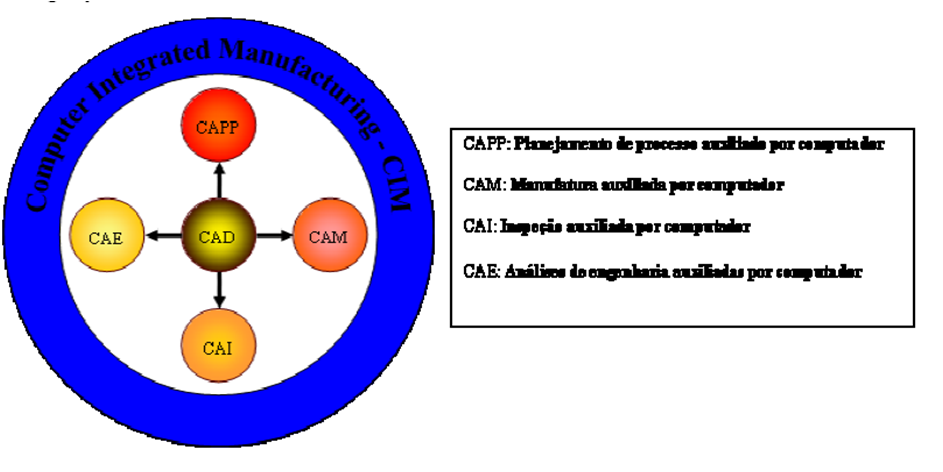
Contemporary manufacturing engineering leans heavily on automation and robotics to push production further. Automated manufacturing applies control systems to processes like machining and welding, and when implemented effectively, it delivers higher consistency, better quality, shorter lead times, simplified production flows, reduced material handling, improved workflow, and even better worker morale. Robotics represents the next step: the application of mechatronics and automation to build machines that are preprogrammed and interact physically with their environment. Engineers designing these robots rely on kinematics to map the robot's range of motion and on mechanics to calculate internal stresses. On the factory floor, robots take on tasks that are dangerous, unpleasant, or simply too repetitive for human operators, and they can execute work that is too precise for manual handling. Companies also deploy computer-integrated technology to accelerate production cycles while reducing dependence on human labor, allowing businesses to save on labor costs while maintaining or exceeding the precision that human workers could achieve.
Gallery
More in Manufacturing And Materials 1-24
Elsewhere in the Manufacturing And Materials universe
Spotted an error? Know more?
This is a living reference — every entry is fact-audited, and reader corrections feed straight into our audit queue. Suggest an edit · See this site's audit record