
Mineral wool
Fibrous material from molten rock, used for insulation and more.

Mænsard vokser · CC BY-SA 4.0
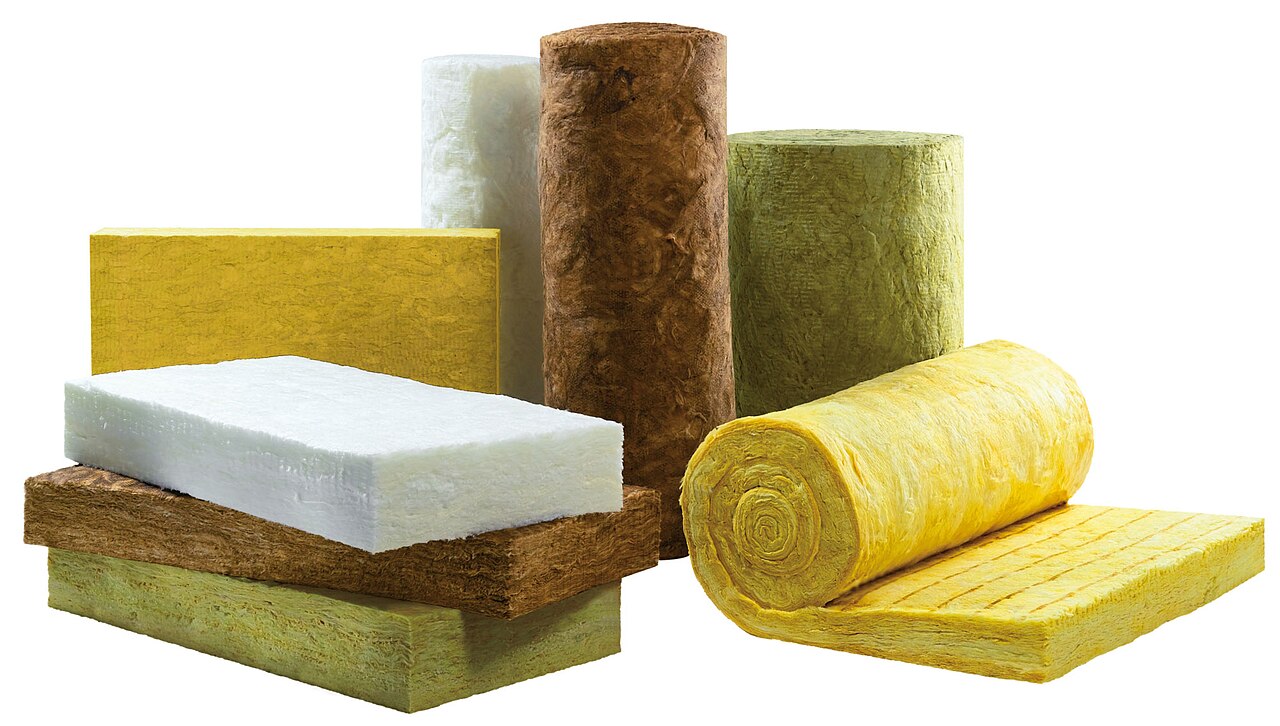
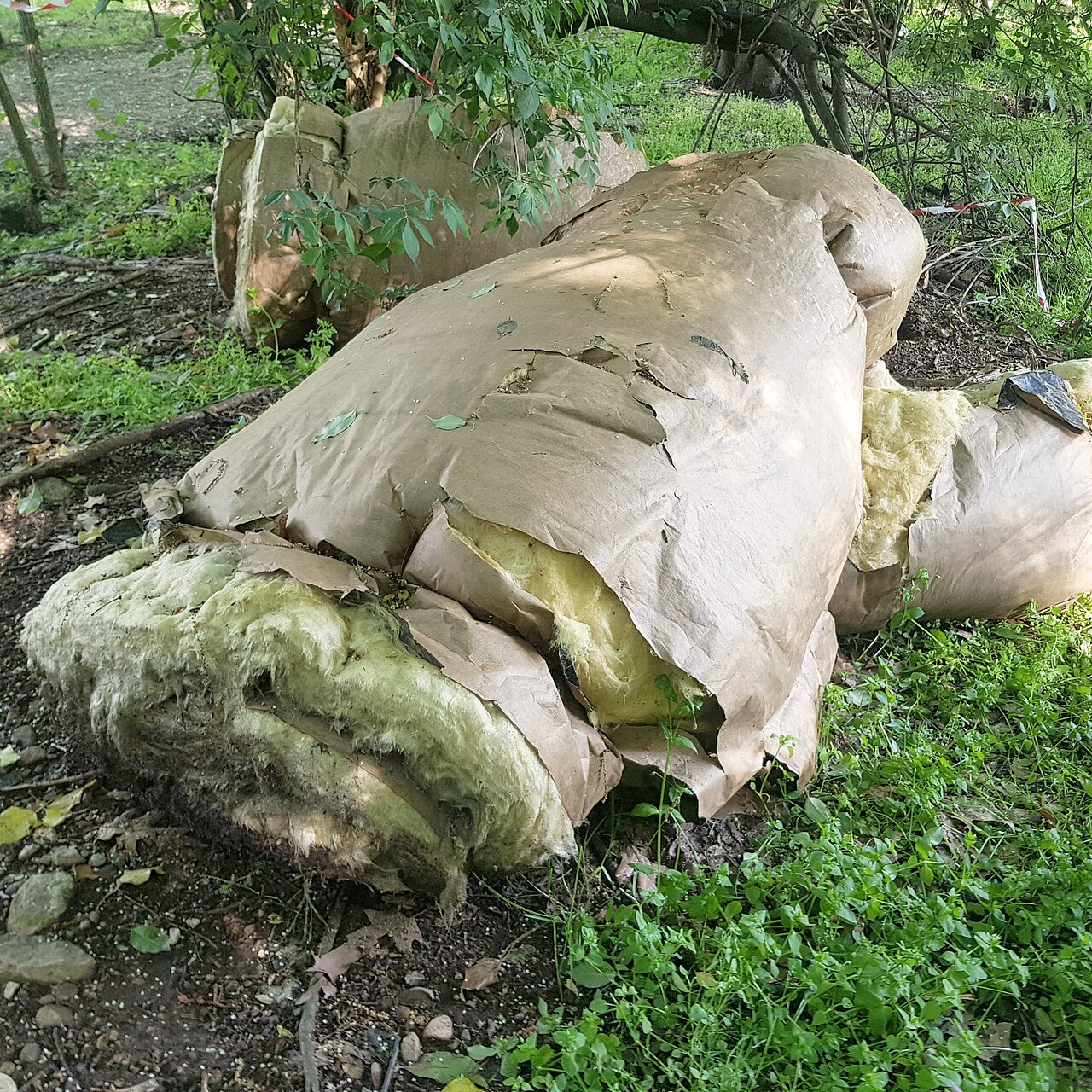
Mineral wool, also known as stone wool, mineral cotton, mineral fiber, man-made mineral fiber (MMMF), and man-made vitreous fiber (MMVF), is any fibrous material formed by spinning or drawing molten mineral or rock materials such as slag and ceramics. First manufactured in the 19th century, it is used for thermal insulation, filtration, soundproofing, and as a hydroponic growth medium. It can cause irritation to the eyes, skin, and lungs, especially during manufacture and installation.
- first_manufactured
- 19th century
- first_slag_wool_production
- 1840 in Wales by Edward Parry
- first_us_patent
- 1870 by John Player
- known_for
- Thermal insulation, soundproofing, filtration, hydroponic growth medium
Lore & Background
Slag wool was first made in 1840 in Wales by Edward Parry, but the process was abandoned because the fibers floated about and injured workers. The process involved blowing air across liquid iron slag, similar to the natural formation of Pele's hair from volcanic slag. Spun stone wool was made by heating natural dolomite shale to 3,000 °F and pouring the liquid onto a whirling disc.
Reader's Guide
Mineral wool's significance lies in its versatility as an industrial and building material. It provides thermal insulation, soundproofing, and fire resistance, and is used in applications ranging from pipe insulation to hydroponics. High-temperature mineral wool, resistant above 1,000 °C, is used in industrial furnaces and foundries, enabling lighter construction than fire bricks but at higher cost. Safety concerns have been addressed by the International Agency for Research on Cancer, which classified refractory ceramic fibers as possibly carcinogenic to humans (Group 2B), while more common glass wool, stone wool, and slag wool produced since 2000 are considered not classifiable as to carcinogenicity (Group 3). Newer bio-soluble fibers, such as alkaline earth silicate wool, dissolve in bodily fluids and have low carcinogenic potential in tests, though no human data were available at the time of review.
Did You Know?
- Mineral wool was first manufactured in the 19th century, with slag wool made in 1840 in Wales by Edward Parry.
- The process of making mineral wool is similar to the natural formation of Pele's hair from volcanic slag.
- High-temperature mineral wool is generally defined as being resistant to temperatures above 1,000 °C.
- Alkaline earth silicate wool (AES wool) is bio-soluble, meaning it dissolves in bodily fluids within a few weeks.
Origins and the Long Road to Commercial Viability
The story of mineral wool begins with a cautionary tale. In 1840, Edward Parry in Wales attempted to produce slag wool, but the unconfined fibers drifted through the works on the slightest breeze, causing such harm to the workers that the operation was shut down entirely. Decades later, the concept found a more durable footing when John Player secured a U.S. That early process involved directing a powerful stream of air across a cascade of liquid iron slag—a technique strikingly similar to the way strong winds shred volcanic slag into fine strands known as Pele's hair at Kilauea.
From Molten Rock to Microscopic Fiber
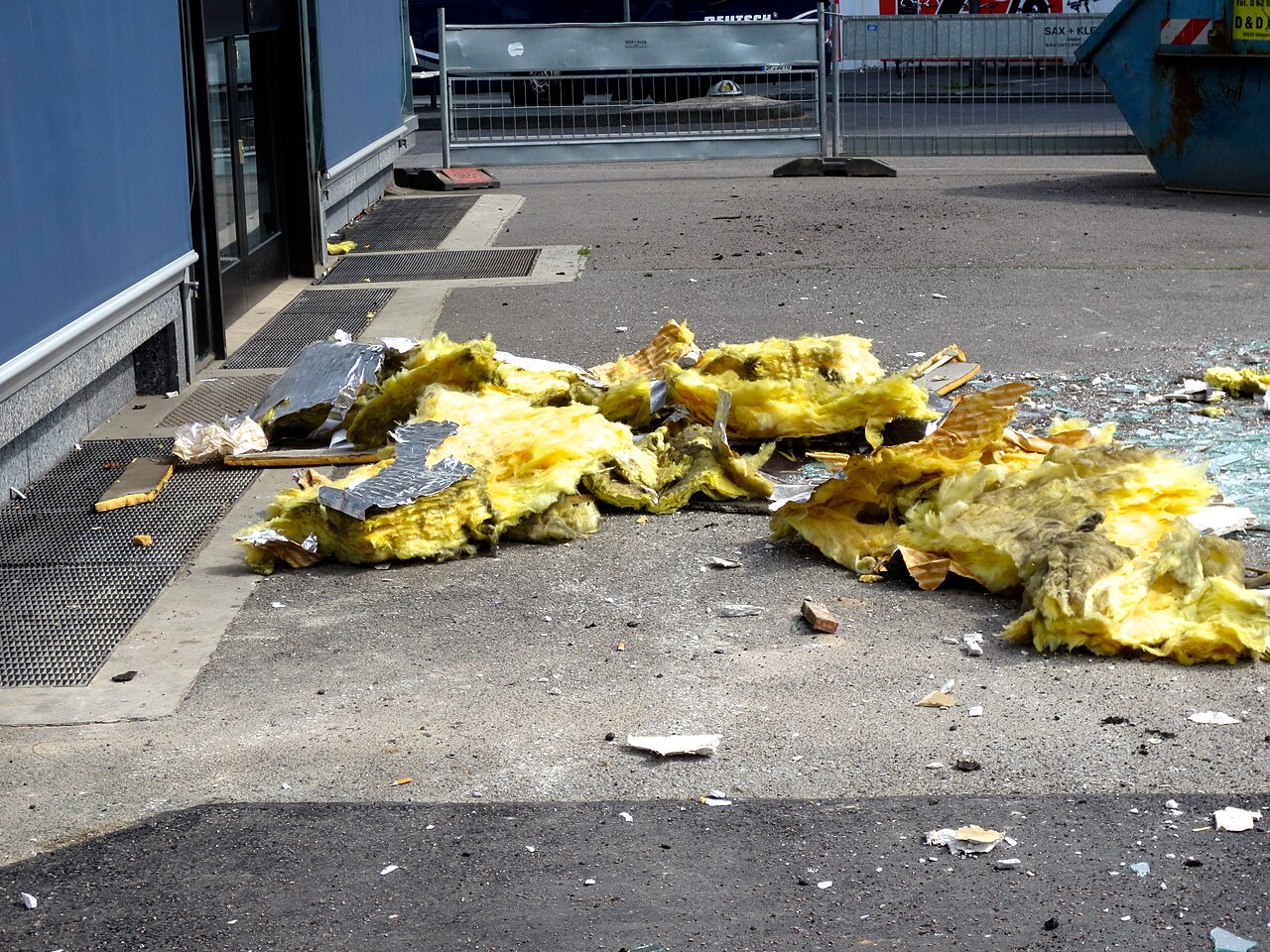
Producing mineral wool is fundamentally a thermal engineering challenge. From this molten state, the fibers are drawn out either by blasting a stream of air or steam through the liquid, or, in more modern facilities, by spinning the melt through high-speed rotating heads in a manner often compared to making cotton candy. The resulting product is a dense mat of extremely fine, intertwined fibers, each typically measuring between two and six micrometers in diameter. To hold these fibers together in usable form, manufacturers often incorporate a binder, frequently a terpolymer, along with an oil additive that suppresses dusting. When the fiber is needed as a standalone reinforcing raw material rather than a finished panel or sheet, it is produced without any binder at all. Handling the material presents a genuine occupational hazard: the fine fibers can irritate the eyes, skin, and lungs, a risk that is most acute during the manufacturing and installation phases.
A Family of Materials Defined by Chemistry
Mineral wool is not a single material but a family of products whose performance is dictated by specific mineral composition. Alkaline earth silicate wool (AES) consists of amorphous glass fibers derived from calcium oxide, magnesium oxide, and silicon dioxide, suited to continuously operating equipment and domestic appliances; certain AES formulations are bio-soluble, dissolving in bodily fluids within weeks and clearing from the lungs. Alumino silicate wool (ASW), also called refractory ceramic fiber, combines aluminum oxide and silicon dioxide in roughly a 50:50 weight ratio and targets intermittent applications above 900 °C. Polycrystalline wool (PCW) contains more than 70 percent aluminum oxide, produced via a sol–gel process followed by crystallization through heat treatment, making it suitable for temperatures exceeding 1,300 °C. For amorphous types, the safe continuous operating temperature sits 100 to 150 °C below that classification figure, whereas polycrystalline products can generally be used right up to it.
One Material, a Dozen Jobs
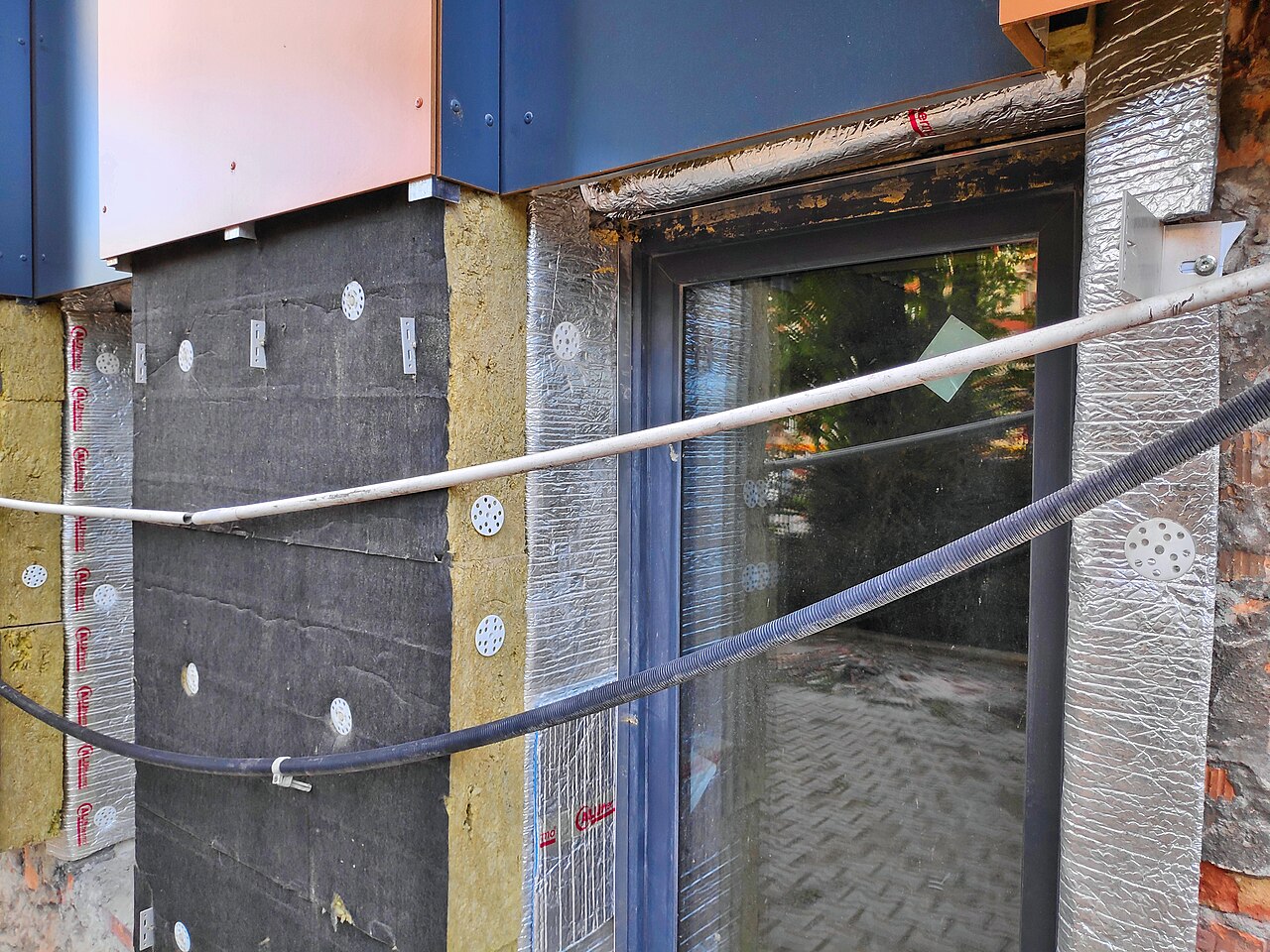
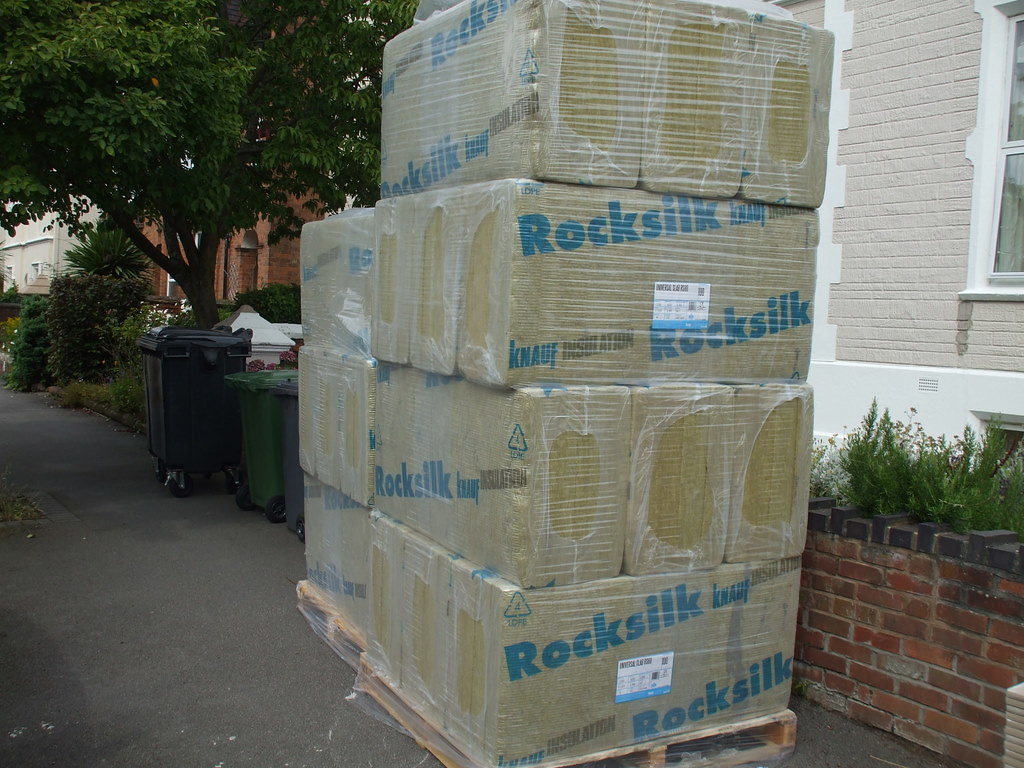
Paradoxically, the very fibers that conduct heat efficiently on their own become outstanding insulators once compressed into rolls, sheets, or pads, because the trapped air between them resists thermal transfer. This dual nature makes mineral wool a cornerstone of building construction: it serves as structural and pipe insulation, as a sound-absorbing material, and as a passive fire-protection component in spray fireproofing, drywall stud cavities, and firestop packing. Its fire resistance—shared with fiberglass and ceramic fibers—makes it a go-to choice when a structure must resist flame spread, though it is not immune to an intense enough fire. Beyond the building envelope, mineral wool appears in resin-bonded panels, as a filler in gasket compounds, in automotive brake pads, and as a reinforcing agent in plastics and coatings. In the agricultural world, its fibrous structure is engineered to retain large quantities of water and air, creating an ideal hydroponic growth medium that supports root development and nutrient uptake. It also functions as a filtering medium in industrial processes, and the raw fiber, produced without binder, is used as a reinforcing additive in friction materials and coatings.
Gallery

More in Manufacturing And Materials 1-24
Elsewhere in the Manufacturing And Materials universe
Spotted an error? Know more?
This is a living reference — every entry is fact-audited, and reader corrections feed straight into our audit queue. Suggest an edit · See this site's audit record