
Polyester
A versatile polymer family used in textiles, bottles, and engineering.

Wikifrits · CC0
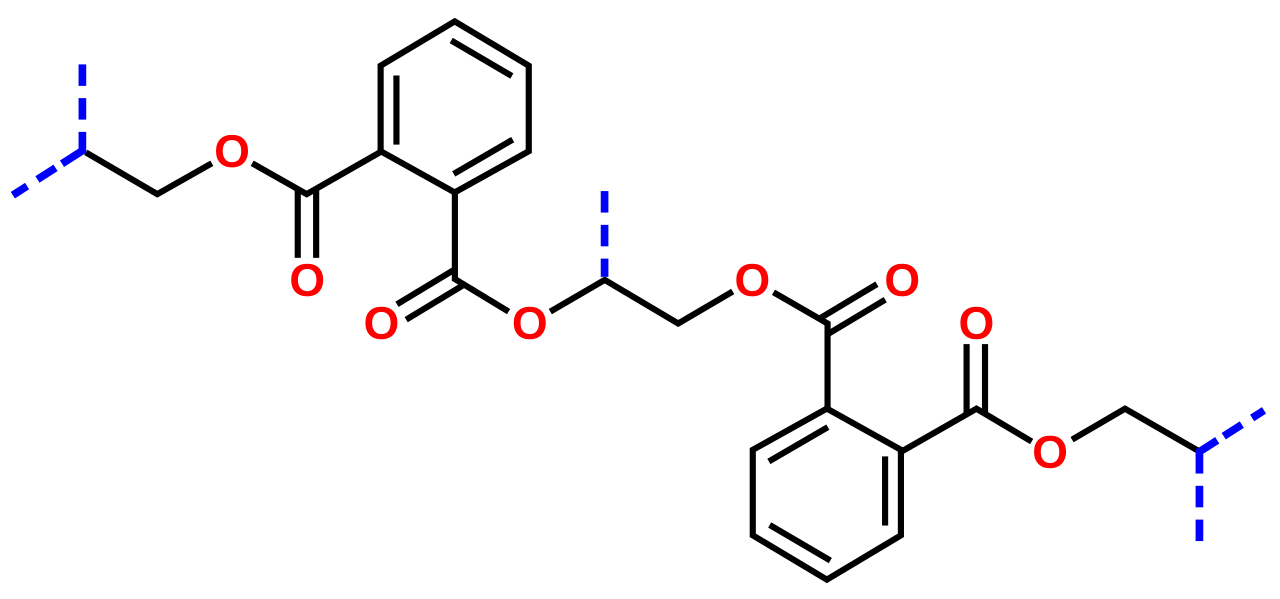
Polyester is a category of polymers that contain one or two ester linkages in every repeat unit of their main chain. As a specific material, it most commonly refers to a type called polyethylene terephthalate (PET). Polyesters include some natural products, such as those found in plants and insects. Natural polyesters and a few synthetic ones are biodegradable, but most commercial polyesters are not. Polyesters are used extensively in clothing.
- field
- Polymer chemistry and materials science
- known_for
- Widely used synthetic fiber and plastic, especially PET
- types
- Includes natural polyesters (e.g., cutin, bee secretions) and synthetic polyesters (e.g., PET, PBT, unsaturated polyesters)
- key_property
- High water, wind, and environmental resistance; less fire-resistant; can melt when ignited
Lore & Background
Polyesters occur naturally in the cutin component of plant cuticles and in secretions of bees in the genus Colletes, which line their underground brood cells with a cellophane-like polyester. Synthetic polyesters include linear aliphatic high molecular weight types that are low-melting and biodegradable, as well as aliphatic–aromatic polyesters like PET and PBT, which are high-melting semicrystalline materials used in fibers, films, and engineering thermoplastics. Wholly aromatic linear copolyesters offer superior mechanical properties and heat resistance, and liquid crystalline polyesters are among the first industrially used liquid crystal polymers, applied as abradable seals in jet engines.
Reader's Guide
They are used extensively in clothing, home furnishings, industrial fibers, bottles, films, and coatings. Cotton-polyester blends combine strength, wrinkle resistance, and reduced shrinking. Polyester fibers have high tenacity and E-modulus, low water absorption, and minimal shrinkage. While combustible at high temperatures, polyesters tend to shrink away from flames and self-extinguish upon ignition. Increasing the aromatic parts of polyesters raises their glass transition temperature, melting temperature, thermostability, chemical stability, and solvent resistance. Unsaturated polyesters are thermosetting resins used in composite materials, fiberglass laminates, and auto-body fillers. Polyesters as thermoplastics may change shape after heat application.
Did You Know?
- Polyesters include natural products such as cutin from plant cuticles and secretions from 'polyester bees' (genus Colletes).
- Most commercial polyesters are not biodegradable, though natural polyesters and a few synthetic ones are.
- Liquid crystalline polyesters are used as abradable seals in jet engines.
- Polyester fabrics are highly stain-resistant because polyester is hydrophobic and has difficulty absorbing liquids.
Chemical Architecture & Structural Diversity
Polyester is not a single compound but a broad family of polymers unified by one defining feature: the presence of one or two ester linkages within each repeating unit along the main chain. This seemingly simple structural rule opens the door to an extraordinary range of materials. The identity of the R group attached to the ester bond can be varied, producing polyesters with wildly different thermal, mechanical, and chemical behaviors. The family also spans thermoplastics that soften and reshape under heat, thermosets that cross-link permanently, hyperbranched architectures with exceptionally low viscosity, and unsaturated resins designed to cure into rigid composites. This structural versatility is what allows polyester to occupy roles as diverse as disposable packaging, jet-engine seals, and high-performance engineering plastics.
Natural Origins & Environmental Fate
Long before chemists synthesized the first polyester in a laboratory, nature had already been producing these polymers. The cutin that forms the waxy cuticle on plant surfaces is built from omega hydroxy acids and their derivatives, linked together through ester bonds into chains of indeterminate length. In the insect world, certain ground-nesting bees of the genus Colletes secrete a cellophane-like polyester lining inside their underground brood cells, earning them the colorful nickname "polyester bees." Beyond these biological examples, a meaningful subset of polyesters—both natural and some synthetic varieties—are biodegradable. Linear aliphatic high-molecular-weight polyesters, for instance, are inherently susceptible to hydrolytic breakdown, a trait that makes them attractive for environmentally sensitive uses such as disposable packaging, agricultural mulch films, and biomedical or pharmaceutical applications where a material is expected to degrade safely after serving its purpose.
Industrial Scale & Everyday Ubiquity
Few polymer families rival polyester in sheer economic weight. That volume underpins polyester's dominance in the textile industry, where it is woven or knitted into clothing on a massive scale. Designers frequently blend polyester fibers with cotton to create fabrics that combine the breathability of natural fiber with the strength, wrinkle resistance, tear resistance, and reduced shrinkage that synthetic polyester contributes. The material's utility extends far beyond apparel, however. Liquid crystalline polyesters were among the earliest liquid crystal polymers to see industrial use, valued for their outstanding mechanical strength and heat resistance. One notable application is as an abradable seal material inside jet engines, where the combination of durability and thermal tolerance is critical to safe operation.
Performance Traits & High-Performance Applications
Polyester fibers deliver a distinctive performance profile that sets them apart from plant-derived alternatives. They exhibit high tenacity and a high elastic modulus, absorb very little water, and show minimal shrinkage, making them exceptionally resistant to moisture, wind, and general environmental wear. Their fire behavior, however, is a double-edged sword: while polyester tends to shrink away from flames and self-extinguish rather than sustain a burn, it can melt when ignited, making it less fire-resistant than many natural fibers. At the high-performance end of the spectrum, wholly aromatic linear copolyesters offer superior mechanical properties and heat resistance that qualify them for demanding engineering applications. Unsaturated polyester resins, once cross-linked, serve as matrices in composite materials, fiberglass-reinforced structures for yacht hulls, automotive body panels, and pre-preg layups. Alkyd resins, a related cross-linkable family, remain a workhorse in the coatings industry.
Gallery




More in Manufacturing And Materials 1-24
Elsewhere in the Manufacturing And Materials universe
Spotted an error? Know more?
This is a living reference — every entry is fact-audited, and reader corrections feed straight into our audit queue. Suggest an edit · See this site's audit record