
Metal casting
Ancient process of shaping metal by pouring into molds.

R. Henrik Nilsson · CC BY 4.0
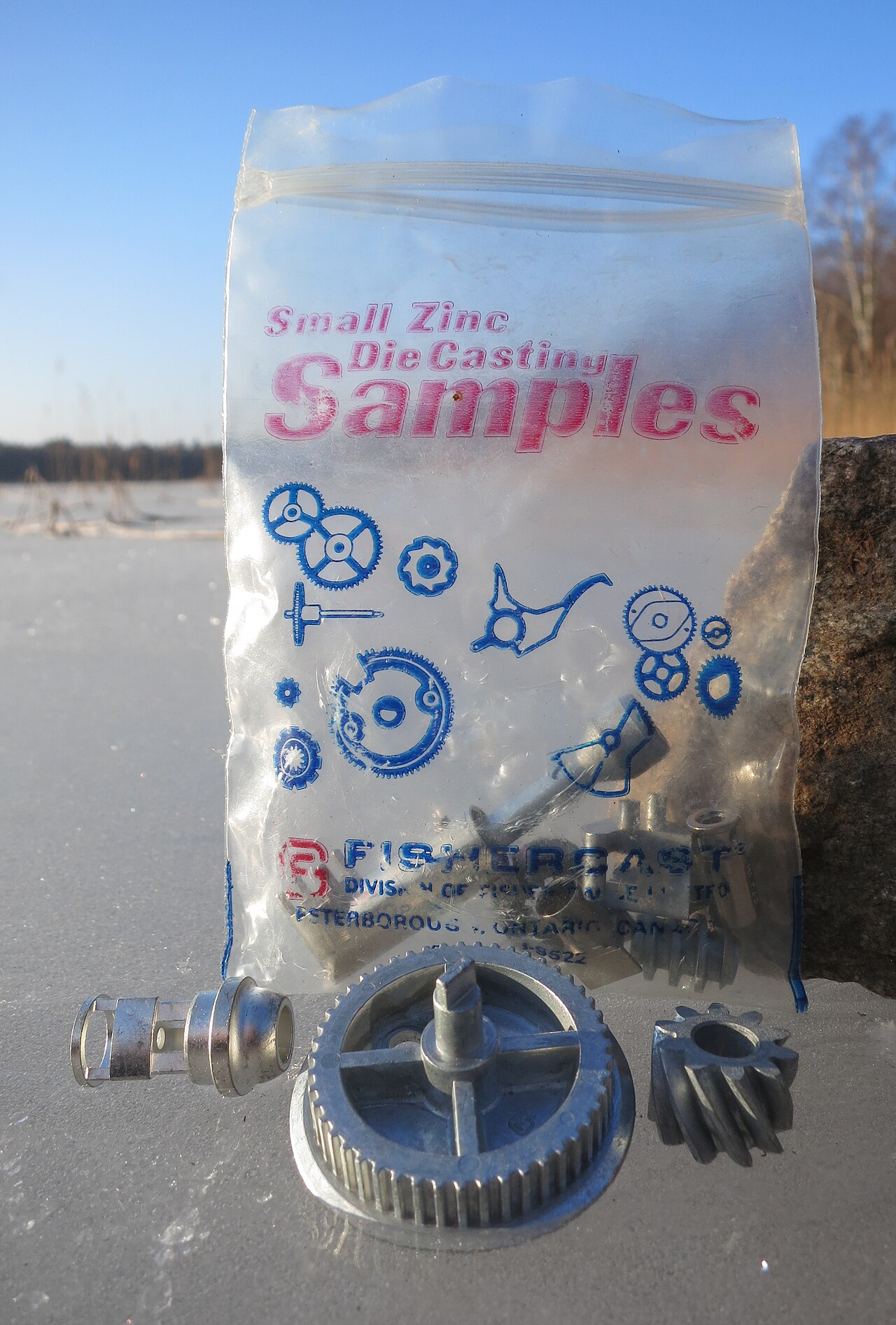
Metal casting is a manufacturing process in which liquid metal is poured into a mold to create a desired shape. It has been known for thousands of years and is widely used for sculpture, jewelry, weapons, tools, and highly engineered components found in 90 percent of durable goods.
- field
- Metalworking and jewelry making
- known_for
- Casting processes including sand, investment, plaster, shell, and permanent mold casting
Lore & Background
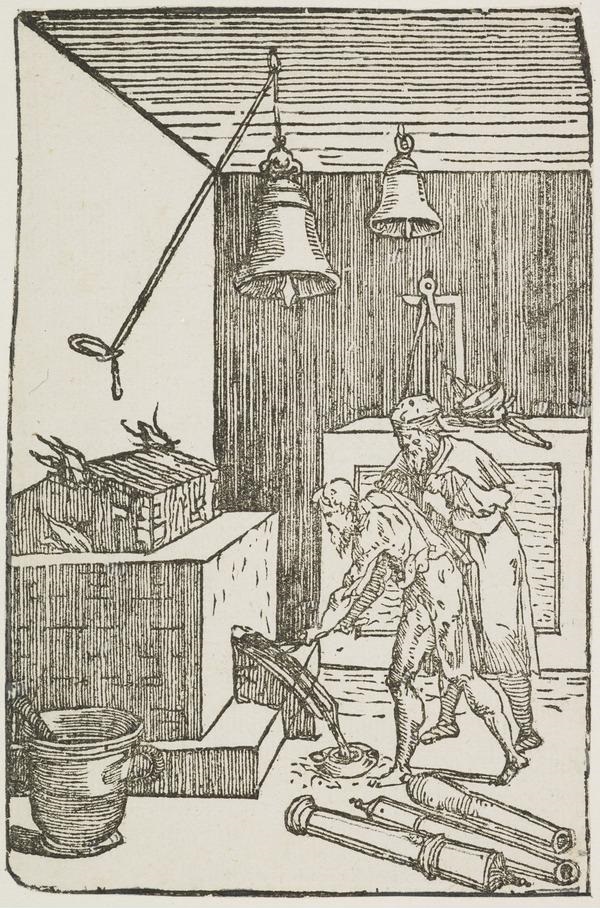
Casting involves delivering liquid metal into a mold containing a negative impression of the intended shape, typically through a sprue. The metal and mold are cooled, and the casting is extracted. Traditional techniques include lost-wax casting, plaster mold casting, and sand casting. Modern casting is divided into expendable and non-expendable categories, further broken down by mold material and pouring method. Expendable mold casting uses temporary, non-reusable molds and includes sand, plastic, shell, plaster, and investment methods. Sand casting is one of the simplest and most popular types, allowing for small batches and a wide range of part sizes. Loam molding, a historical technique, was used for large symmetrical objects like cannon and church bells. Non-expendable mold casting uses reusable molds and includes permanent, die, centrifugal, and continuous casting. Investment casting, also known as lost-wax casting, has been practiced for thousands of years and is valued for accuracy and repeatability. Evaporative-pattern casting, such as lost-foam and full-mold casting, uses patterns that vaporize during pouring.
Reader's Guide
Metal casting is a foundational manufacturing technique with a history spanning thousands of years. Its significance lies in its ability to produce complex shapes that would be difficult or uneconomical to make by other methods. The process is essential for a vast range of industries, from art and jewelry to aerospace, automotive, and medical devices. The article notes that highly engineered castings are found in 90 percent of durable goods, underscoring its ubiquity. The development of various casting methods—such as sand, investment, plaster, shell, and permanent mold—has allowed for flexibility in cost, scale, material, and precision. Expendable mold processes like sand casting are economical for small batches and large parts, while non-expendable methods offer repeatability and near net shape results. Investment casting, though expensive, enables intricate contours and minimal rework. The legacy of casting is its enduring role in both artistic expression and industrial production, adapting over millennia to meet evolving technological and economic needs.
Did You Know?
- Sand casting can produce parts small enough to fit in the palm of one's hand or large enough for a train car bed.
- Investment casting derives its name from the fact that the pattern is invested, or surrounded, with a refractory material.
- Loam molding has been used to produce large symmetrical objects such as cannon and church bells.
- Plaster casting is generally limited to lower-melting-point alloys like aluminum, zinc, and magnesium, and is not typically used for copper due to its high melting point.
Ancient Origins and the Lost Wax Revolution
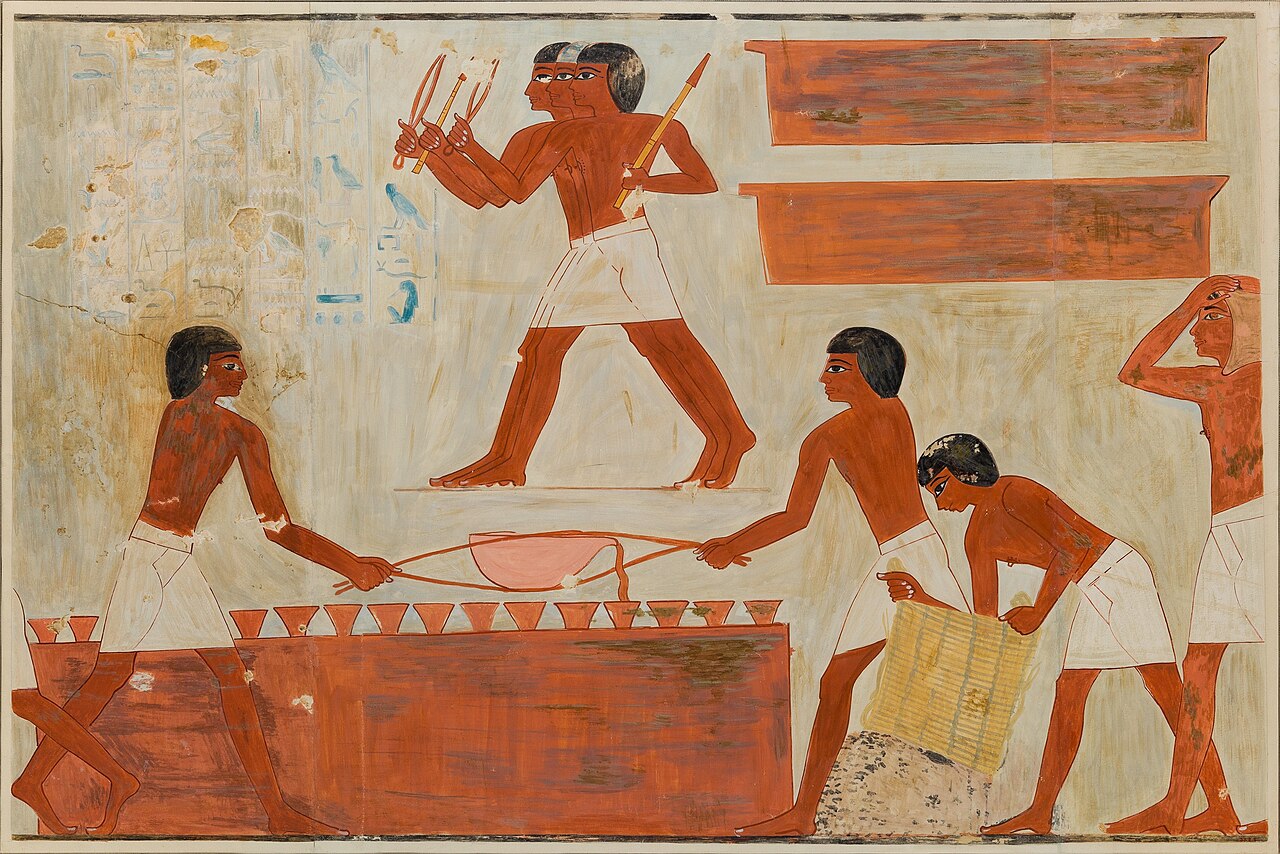
Casting stands as one of humanity's oldest manufacturing techniques, stretching back roughly seven millennia. The lost wax technique, in particular, traces its roots to ancient Mesopotamia in what is now Iraq. The earliest written record of the process is a cuneiform clay tablet from the city of Sparta in Babylon, which specifies the quantity of wax required to cast a key. Two distinct approaches emerged: the direct method, where a craftsman sculpts the wax model by hand into the exact shape of the finished piece, and the indirect method, where the wax is formed through an intermediate mold made of stone, wood, or clay. The direct route demands exceptional skill and yields low output, while the indirect approach lends itself to greater repeatability. The famous dancing girl of Mohenjo-daro, a copper alloy figure, most likely owes its delicate form to this very technique.
Regional Divergence: India, China, and the West
Although the lost wax technique appeared early in the Middle East and West Africa, its adoption across the ancient world was far from uniform. In Western Europe, the method saw comparatively little use, especially when contrasted with the Indus Valley Civilisation's prolific output. In China, the picture is nuanced. India, by contrast, pushed casting into the realm of mass production. Around the middle of the first millennium BC, coinage shifted from silver to a cast copper alloy, and artisans developed a multi-piece, stackable template mold. Multiple molds were nested inside a clay cylinder, and molten metal poured down the center filled all cavities at once, producing one hundred coins in a single pour. Southern Asian religious traditions also depended heavily on cast statues and relics, typically fashioned from copper alloy laced with lead.
The Mechanics and Materials of Casting
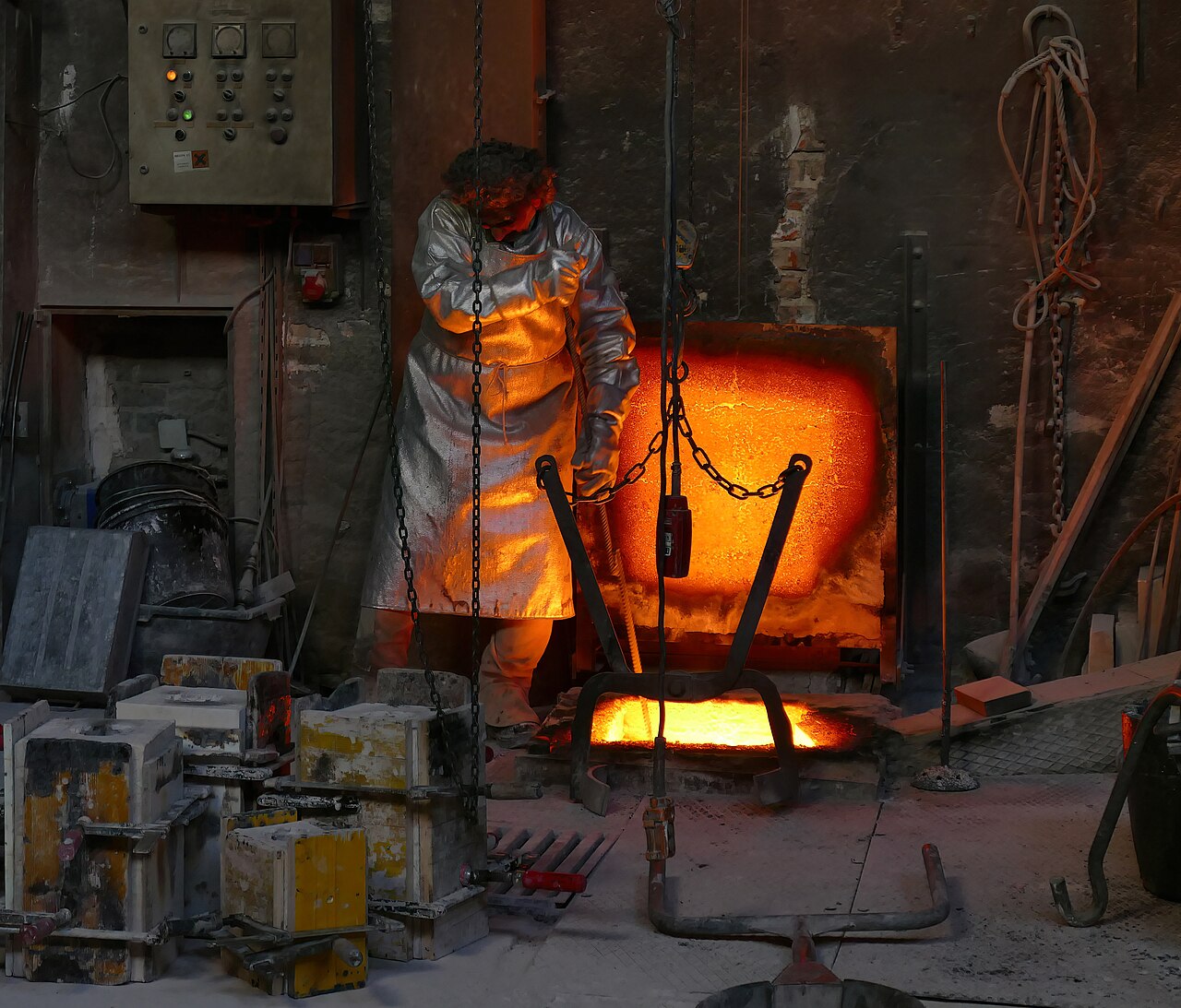
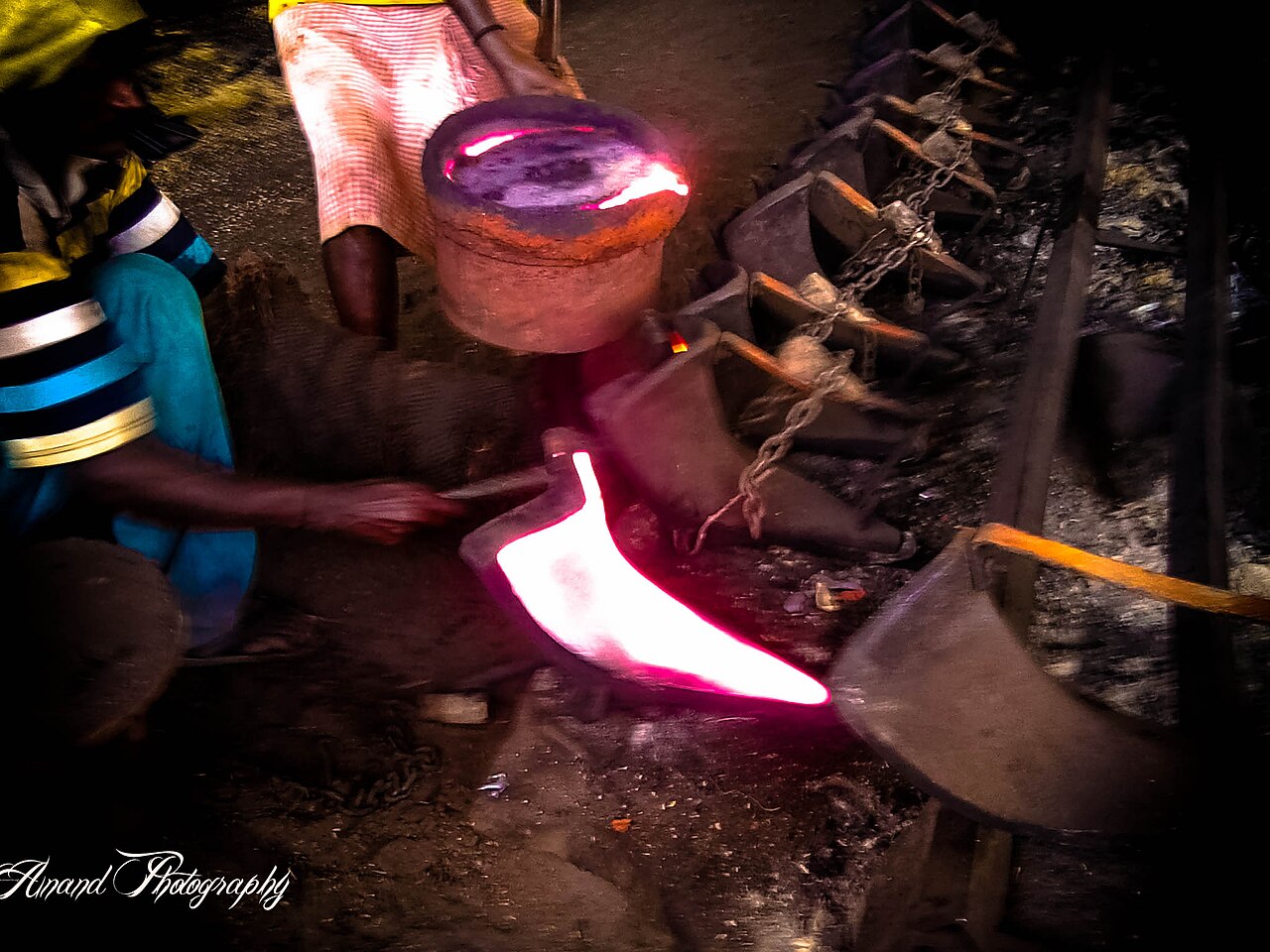
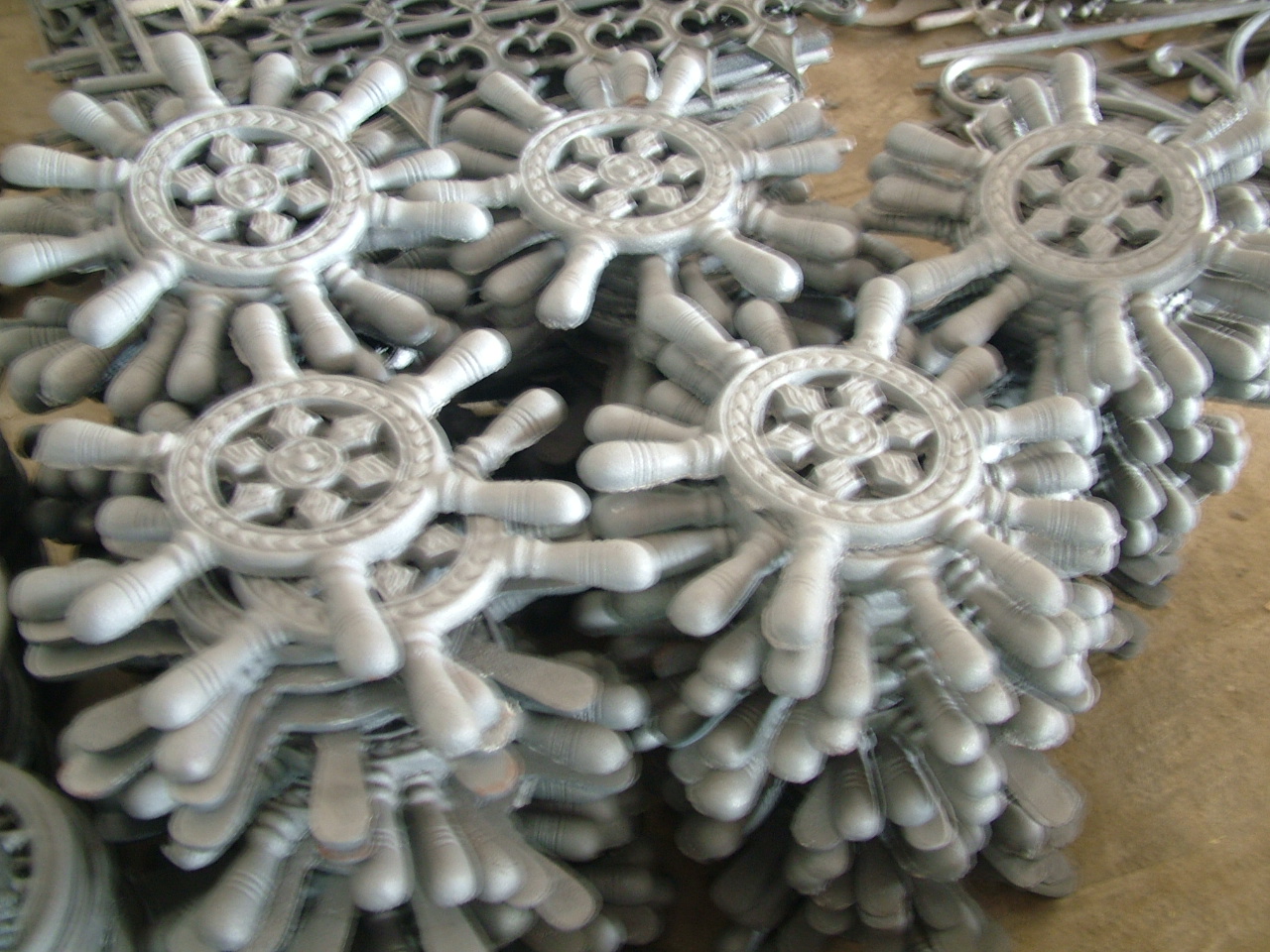
At its core, metal casting involves heating a metal until it flows freely, then pouring it into a mold whose hollow cavity replicates the desired shape. The mold is not merely a simple cavity; it incorporates runners and risers—channels and reservoirs that guide the liquid metal into every corner of the form and compensate for shrinkage as it cools. Once solidified, the casting is extracted, and the excess material from runners and risers is trimmed away. Beyond metals, casting extends to chemical-curing materials such as plaster, concrete, and thermosetting resins like epoxy or polyester. These can be poured into single-use waste molds, reusable piece molds, or flexible latex rubber forms supported by an exterior shell. Plaster and concrete produce flat, opaque surfaces that are often finished with painting or etching to mimic metal or stone, or mixed with colored sand for a natural look. Concrete casting enables durable outdoor sculptures, fountains, and seating. Epoxy or polyester resins combined with powdered stone can simulate high-quality marble, with multiple colors worked in to recreate the veining patterns of natural travertine—a technique widely used for washstands and shower stalls.
From Sacred Objects to Industrial Giants
Throughout its history, casting has served an astonishing range of purposes, from the sacred to the industrial. Early civilizations employed it to produce tools, weapons, and religious objects, with Southern Asian traditions placing particular emphasis on cast statues and relics. The process's greatest practical advantage lies in its ability to produce complex geometries that would be prohibitively difficult or uneconomical to achieve through machining, forging, or assembling smaller components. This is why heavy equipment such as machine tool beds and ships' propellers are routinely cast in their full required size rather than fabricated by joining multiple pieces. The casting of cannons represents a particularly complex application. The process involves creating a clay core, molding clay around a template and breaking it out, then assembling the components in a casting pit where the assembly is bound with iron bands. While historians debate the exact origin of cannon development, most evidence points to Turkey and Central Asia during the eighteenth and nineteenth centuries. Casting materials themselves span a wide spectrum, from pure metals to time-setting compounds like epoxy, concrete, plaster, and clay, each chosen to suit the demands of the final object.
Gallery
More in Manufacturing And Materials 1-24
Elsewhere in the Manufacturing And Materials universe
Spotted an error? Know more?
This is a living reference — every entry is fact-audited, and reader corrections feed straight into our audit queue. Suggest an edit · See this site's audit record